What is calligraphy art? It is the art of beautiful handwriting, in which each letter is shaped with care using a pen, brush or marker. Britannica gives the same short definition and notes that the word may come from the Greek kallos, meaning beauty, and graphein, meaning to write. This guide from Decent Stationery in Lahore explains the meaning, the main traditions, the history and the supplies a beginner needs.
Key Takeaways
- Calligraphy is decorative handwriting. It differs from printed type because the letters show natural variation.
- The main traditions are Western (Latin), Chinese and other East Asian, and Islamic calligraphy based on Arabic letters.
- Nastaliq, a style of Arabic script, is commonly used in Pakistan and is used to write Urdu.
- A beginner can start with a ballpoint or fountain pen, then move to a brush pen, marker or dip pen.
- Smooth, thick paper and ink made for calligraphy give cleaner strokes than printer paper and ordinary fountain pen ink.
What Is Calligraphy Art?
Calligraphy art is handwriting treated as an art form. The letters are drawn rather than simply written, so the shape, spacing and rhythm of each stroke matter as much as the words. Art in Context describes calligraphy at its most basic as a handwriting skill, and also lists features such as harmony and rhythm. Wikipedia adds that handwritten calligraphy is marked by irregularity in the characters, whereas the characters of a typeface are uniform.
The craft is not limited to one script or one country. A page of Latin letters written with a broad nib, a Chinese scroll painted with a brush and a verse in Arabic script cut with a reed pen all count as calligraphy. What joins them is the care taken over the shape of each mark.
Main Calligraphy Traditions
Calligraphy has developed along several lines, each with its own scripts and tools. The table gives a short guide, drawn from Wikipedia.
| Tradition | Scripts and styles named | Typical tools |
|---|---|---|
| Western (Latin) | Roman capitals, uncial, Caroline, blackletter, humanist minuscule, Foundational hand | Pens with flat, round or pointed nibs |
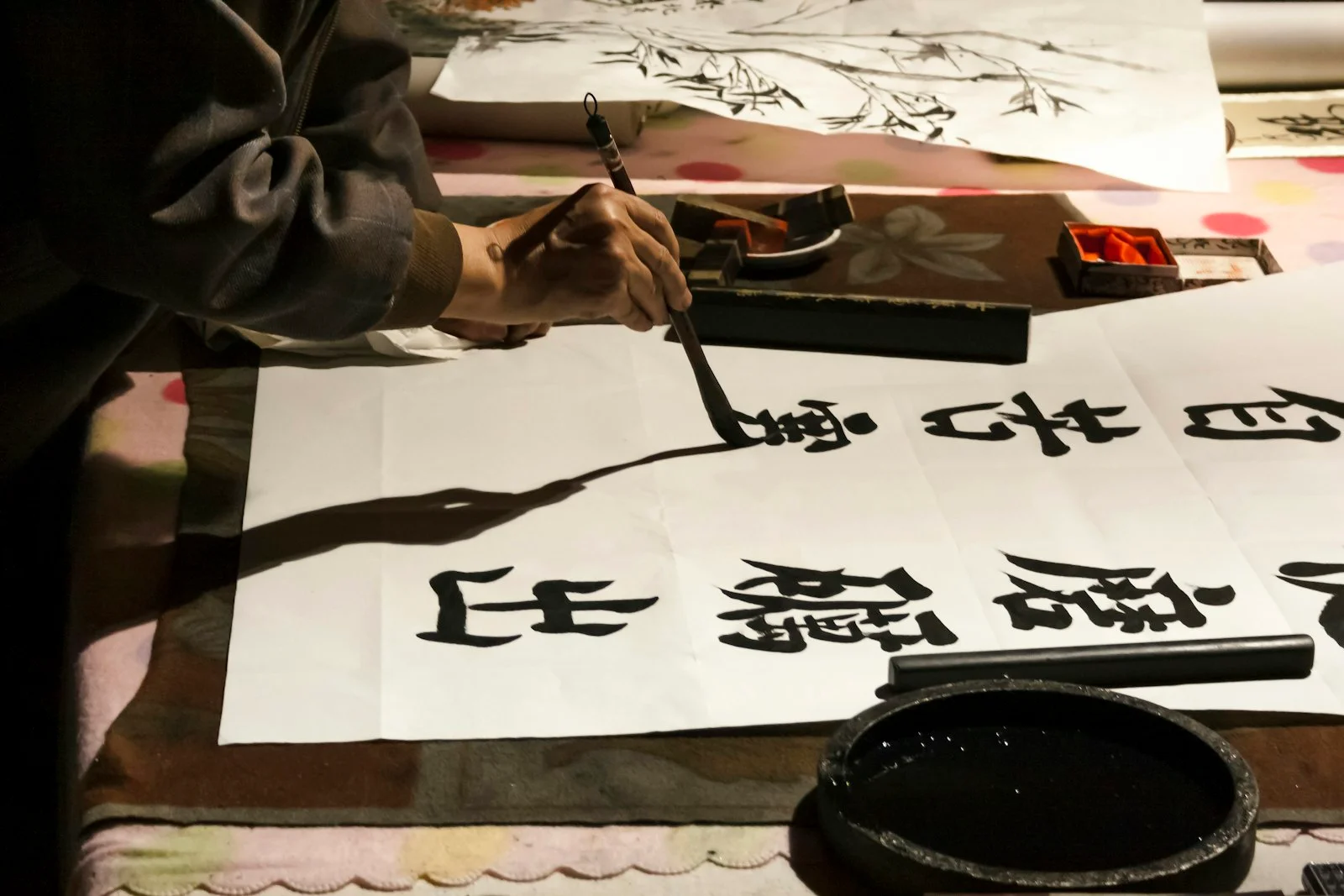
| Chinese | Seal, clerical, regular, running and cursive scripts | Brushes and ink |
| Islamic | Kufic, Naskh, Thuluth, Nasta’liq, Diwani | Reed pens such as the qalam |
In Chinese calligraphy, Wikipedia notes, the shape of the brush, the type of hair, the ink, the water and the writer’s pressure and speed all affect the result. Japanese and Korean calligraphy grew from the Chinese tradition. Tibetan calligraphy derives from Indic scripts and holds a central place in Buddhist culture.
Calligraphy in Islamic Art
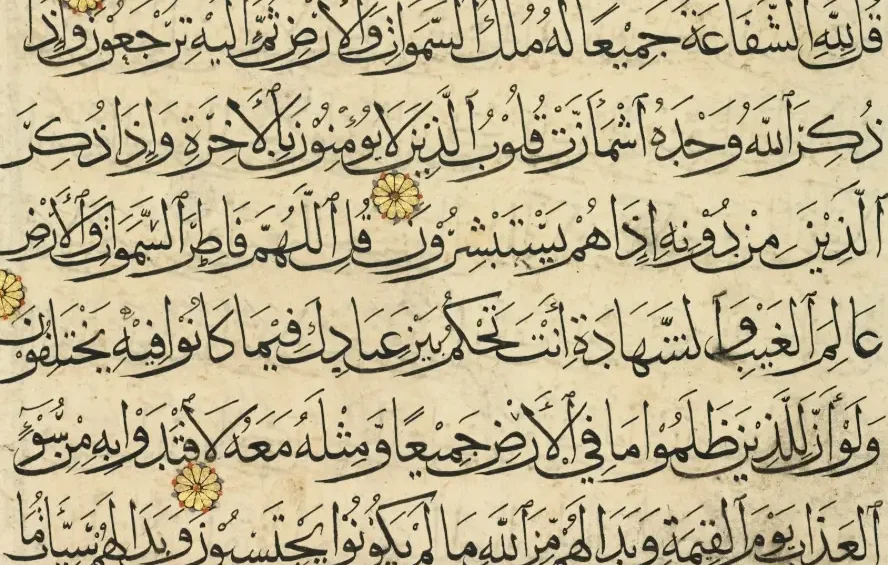
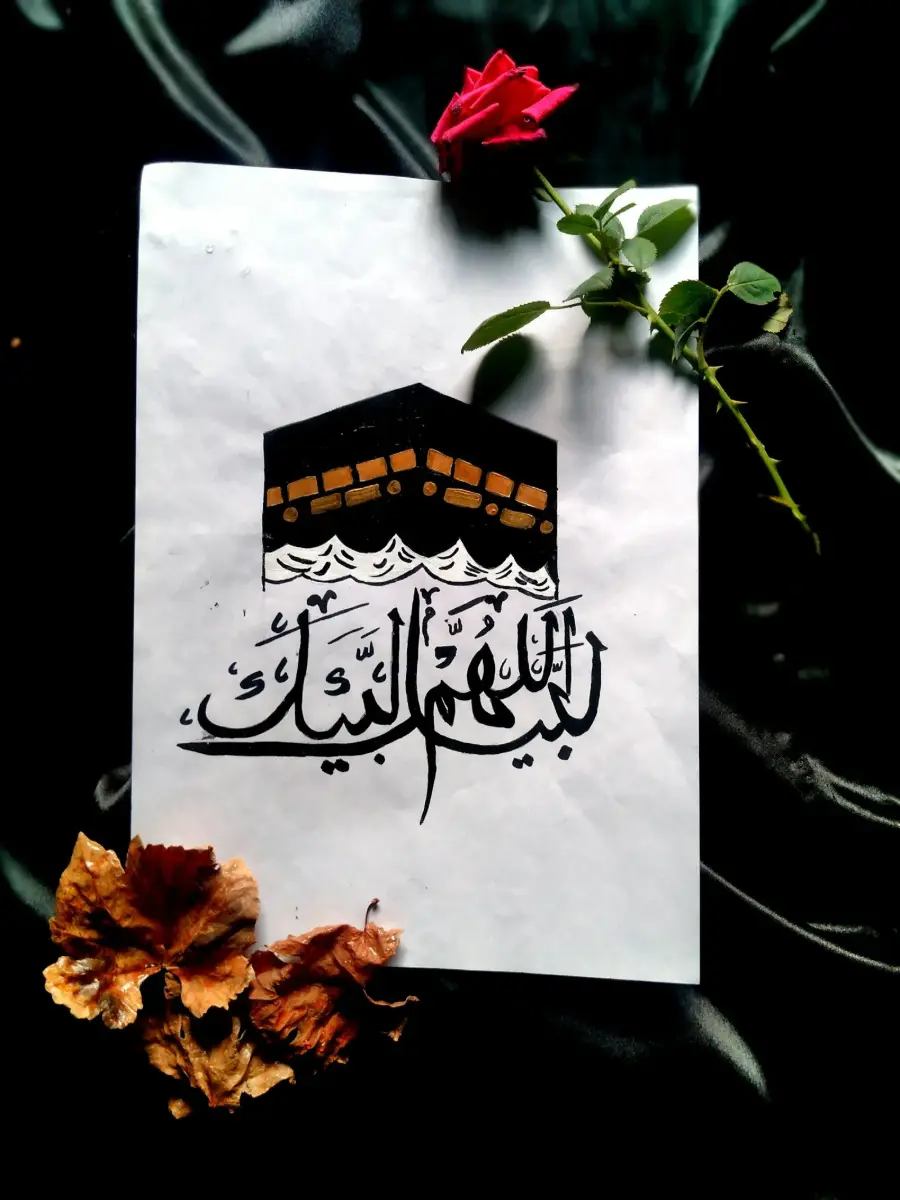
Calligraphy holds a special place in Islamic art. The Metropolitan Museum of Art’s Department of Islamic Art describes it as the most highly regarded and most fundamental element of Islamic art. Wikipedia credits the Quran with spurring the growth of Arabic calligraphy, with the earliest examples found in Quran copies from the first century of Islam.
Arabic calligraphy is called khatt in Arabic. Several scripts are named, and each has its own character.
- Kufic. The oldest script, named after Kufa in Iraq. It is square and angular and was first used for inscriptions on stone and metal.
- Naskh. A cursive script used on papyrus and paper, and one of the main scripts for writing the Quran.
- Thuluth. Used in medieval times, in mosques and for Quranic text.
- Nasta’liq. Used more for Persian than Arabic.
- Diwani. Created in the Ottoman era. Its letters intertwine so closely that it is hard to read.
The qalam, a reed or bamboo pen, is described as the most common calligraphy pen. Wikipedia also names the khamish, a reed pen used by Arab, Turkish and Iranian calligraphers.
Calligraphy Art in Pakistan
Nastaliq, a style of Arabic script, is commonly used in Pakistan, including for Urdu. Wikipedia explains that the name comes from the Persian naskh-e ta’liq, meaning a hanging or suspended naskh. It developed from the 14th century in Iran and was first made for Persian poetry. Urdu, Punjabi and Kashmiri are among the other languages written in it. The same page notes that the Noori Nastaliq digital font, created in 1981, allowed the newspaper Daily Jang to use digital typesetting in place of a group of calligraphers.
The painter Sadequain (1930 to 1987), who died in Karachi, made calligraphy central to his art. The Mathaf biography records that he was among the seventh generation of calligraphers and bookbinders in his family, and that he combined calligraphy with figurative painting. It also lists his Surah al-Rahman series, made in 1970, 1974 and 1981.
A Short History of Calligraphy
Calligraphy is far older than printing. The dates below come from Wikipedia unless noted.
| Date | Event |
|---|---|
| About 220 BCE | Reforms under Qin Shi Huang standardised 3,300 small seal characters |
| 715 to 720 CE | Lindisfarne Gospels, an early example of decorative Western calligraphy |
| 1454 | Gutenberg’s press in Mainz adopted the Gothic style |
| 1899 | Edward Johnston began teaching calligraphy at the Central School in London |
| 1906 | Johnston published Writing & Illuminating, & Lettering |
Art in Context credits Johnston (1872 to 1944) with starting the modern revival of the craft. Art in Context also points to the Orchid Pavilion Preface, credited to Wang Xizhi (303 to 361), a handscroll now held in the Palace Museum in Beijing.
Calligraphy and Hand Lettering
Many people ask whether hand lettering counts as calligraphy. Art in Context says that faux calligraphy, a kind of hand lettering, is not technically calligraphy. The Online Pen Company also uses the term faux calligraphy for writing done with a ballpoint pen.
Tools and Supplies for Calligraphy Art
The right supplies make practice easier. The Online Pen Company describes the main pen types as follows.
| Tool | Description |
|---|---|
| Ballpoint pen | Used for faux calligraphy and a good starting point for absolute beginners |
| Fountain pen | Nib, feed and reservoir, with steadier ink flow and a good step towards dip pens |
| Dip pen | Nib, reservoir and shaft, with swappable nibs, aimed at more experienced calligraphers |
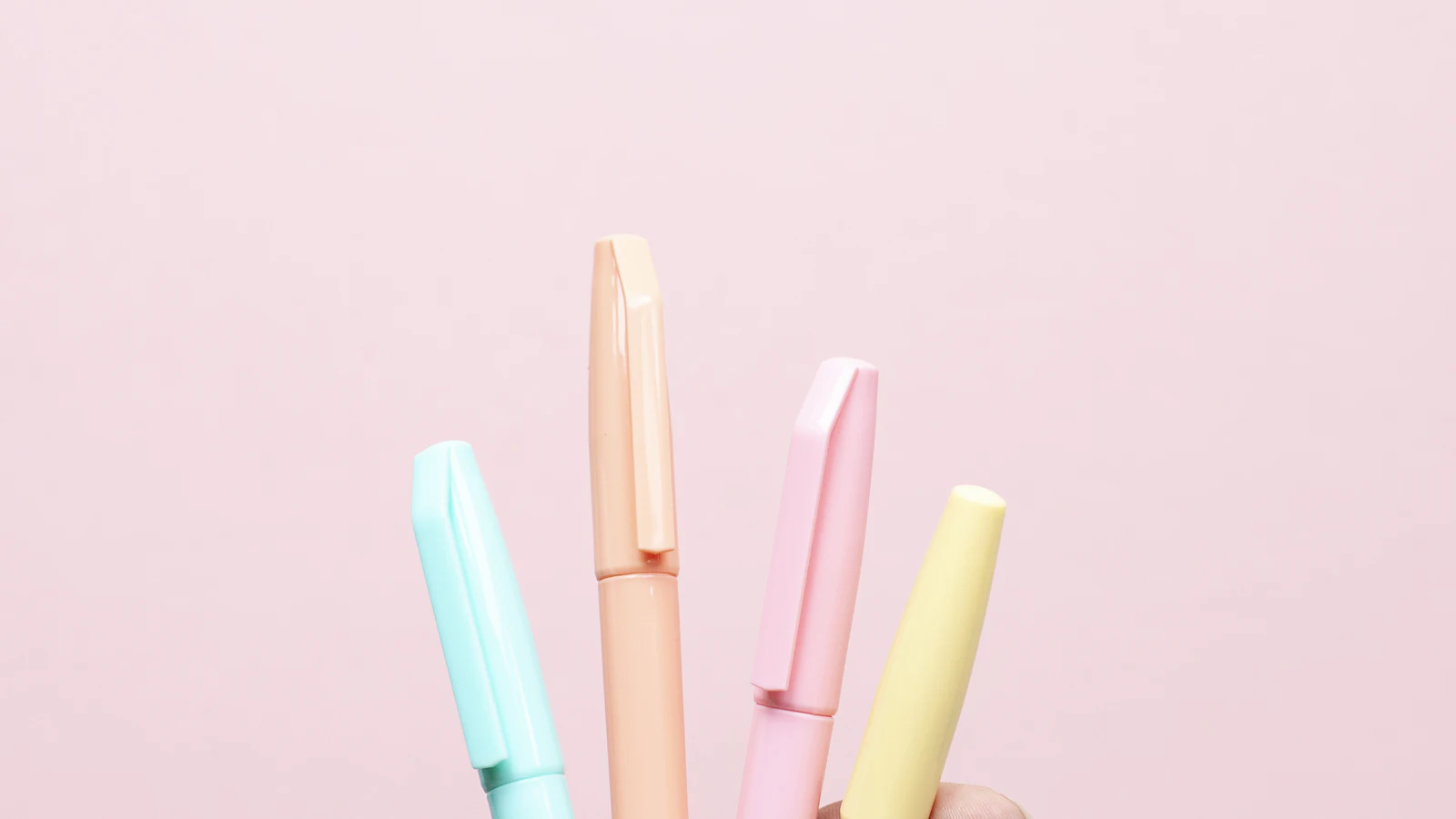
| Brush pen | Flexible nib like a watercolour brush, so line width follows stroke pressure |
| Calligraphy marker | Low maintenance, relatively cheap, made in several sizes and suited to large lettering |
On ink, the same page says to use ink marketed for calligraphy, because it is thicker and less messy, and that fountain pen ink is too thin and will drip off the pen. On paper, it advises thick, smooth paper and warns that card makes edges fuzzy and most printer paper may bleed. Art in Context adds a ruler, a pencil in B, 2B or HB, and an eraser to the beginner list.
At Decent Stationery the range includes the SkyGlory calligraphy pen set, which comes with six nib sections of different widths, five ink cartridges, a converter and an instruction card. The Sheaffer Classic calligraphy maxi kit holds three pens, three nibs and 20 assorted ink cartridges. For marker work there is the 605 Master Qalum calligraphy marker with a 2.5 mm chisel nib. For the full range, see calligraphy accessories price in Pakistan, and browse our fountain pens if you want to follow the step from ballpoint to fountain pen.
How to Start Practising
The Online Pen Company suggests starting with a reliable ballpoint, then moving to a fountain pen and later a dip pen. Our guide on how to fill ink in a fountain pen covers the second step. The same source gives these tips.
- Test your hand pressure by writing a few sentences in pencil on a folded sheet. A visible mark on the folded half suggests a heavy hand.
- Keep your grip loose and let your hand do the work, not your fingers.
- Press harder on downstrokes and much lighter on upstrokes, because heavy upstrokes cause spattering.
- Test ink flow on scrap paper first.
- Sit upright and take breaks if you feel strain.
For wider art projects, see our fine art supplies guide and our post on how to use watercolor tubes.
Frequently Asked Questions
It is the art of beautiful handwriting. The writer shapes each letter with a pen, brush or marker so that the form, spacing and rhythm look pleasing.
Britannica says it may derive from the Greek words kallos, meaning beauty, and graphein, meaning to write.
Art in Context says hand lettering, which it calls faux calligraphy, is not technically calligraphy. It describes calligraphy itself as a handwriting skill.
Nastaliq is commonly used for Urdu. Wikipedia describes it as a style of Arabic script that developed in 14th-century Iran.
Kufic is described as the oldest. It takes its name from Kufa in Iraq and is square and angular.
The Online Pen Company recommends thick, smooth paper and dotted grid paper to keep letters in proportion. It advises against card and most printer paper.
Conclusion
Calligraphy art asks for patience more than expensive tools. Learn the meaning, pick one tradition that appeals to you, and practise a few strokes each day on smooth paper. When you are ready for pens, markers and practice supplies, Decent Stationery in Lahore can help you choose.
Related Reading
- How to Use Brush Pens
- How Do Gel Pens Work? The Ink, the Ball and the Science
- How to Change Ink Cartridge
Sources and Further Reading
- Britannica: Calligraphy
- Wikipedia: Calligraphy
- Wikipedia: Arabic calligraphy
- Wikipedia: Nastaliq
- The Metropolitan Museum of Art: Calligraphy in Islamic Art
- Mathaf: Syed Sadequain Ahmed Naqvi
- Art in Context: What is calligraphy?
- The Online Pen Company: Calligraphy tool guide
About the Author
Written by the Decent Stationery team in Lahore. We stock school, office and art supplies, and we write practical guides to help students, parents and teachers across Pakistan get more from them.