
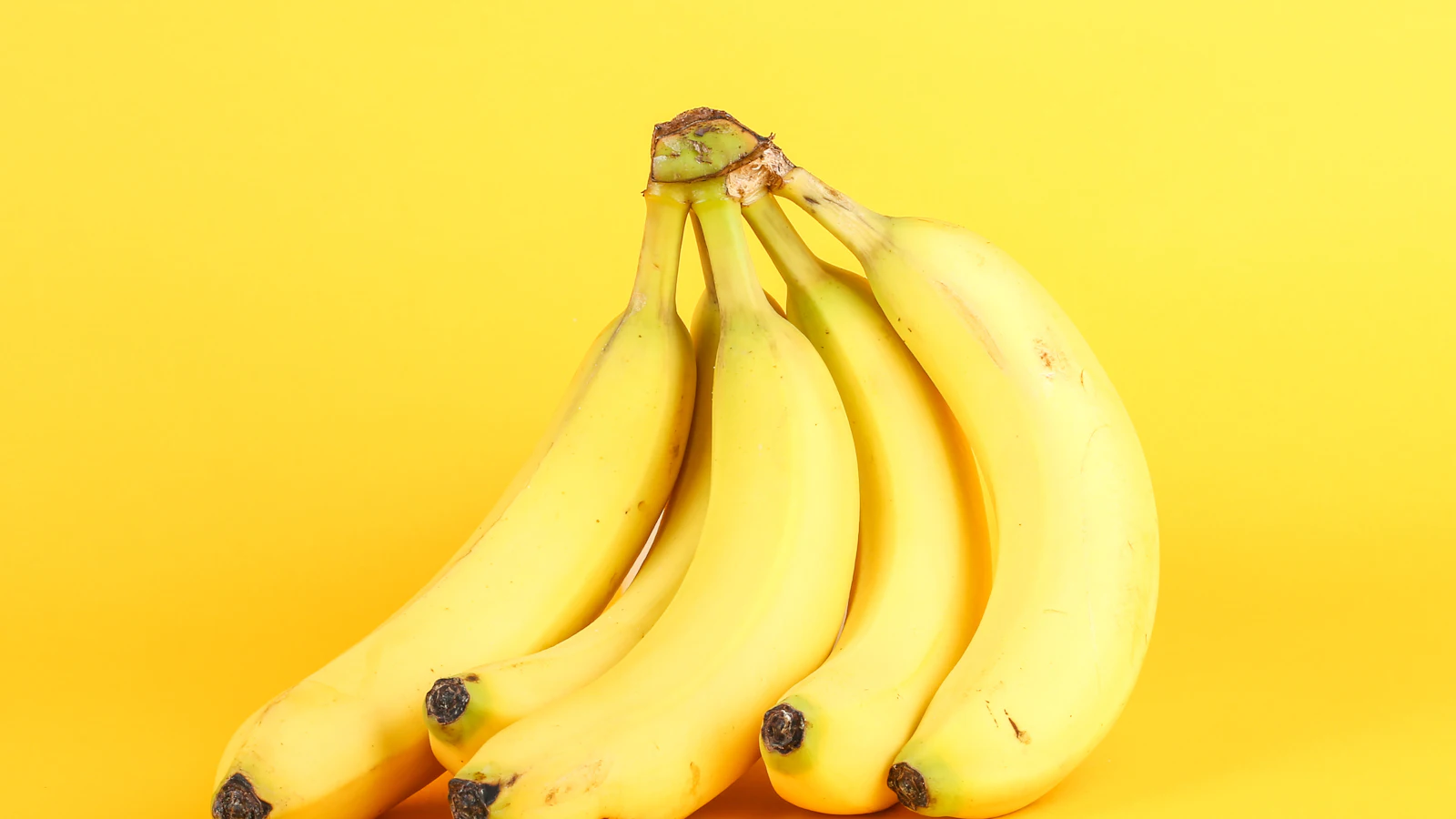
A banana is one of the easiest fruits to pack, but it can go brown or bruise before lunch. So how do you keep a banana fresh in a lunch box? The short answer is to pick a firm banana, protect the stem and give it a hard container. This guide uses storage advice from two university sources and adds simple school lunch tips of our own. Decent Stationery in Lahore lists lunch boxes in Pakistan that suit fruit, sandwiches and snacks.
Key Takeaways
- Choose a firm banana without bruises or split skin.
- Wrap the stem in plastic wrap or foil, and keep the banana out of plastic bags.
- Pack it in a hard container, away from apples and avocados.
Why bananas go brown
Bananas ripen quickly and bruise easily. The University of Nebraska-Lincoln says that bananas are best stored at around 54°F, which is about 12°C. It also explains that refrigerating a ripe banana darkens the peel, but the flesh inside stays light. UC Davis says that the Cavendish banana stores best at 13 to 14°C and that chilling injury can occur below 13°C. These are storage guidelines for whole bananas, so treat the numbers as background and not as lunch box rules.
A lunch box is not refrigerated, so the practical problems are usually bruising and the banana ripening faster than expected. This part is general guidance from our team, not from the sources above.
How to keep a banana fresh in a lunch box
- Pick a firm, undamaged banana. Choose one without bruises or split skin. A very ripe banana will bruise more easily. This tip is general guidance from our team.
- Wrap the stem. The University of Nebraska-Lincoln suggests wrapping the stem in plastic wrap or foil. It slows ripening.
- Keep it apart from other fruit. The same source says to keep bananas away from apples and avocados, which can speed up ripening.
- Avoid plastic bags. The University of Nebraska-Lincoln recommends not storing bananas in plastic bags.
- Use a firm container. A hard lunch box protects the banana from being squashed by books in the bag. This is our own tip.
- Keep it cool, not frozen. Do not press a banana against a very cold pack for hours, because the chilling can darken the peel. This is our own inference from the UC Davis note on chilling injury, and it has not been tested.
Whole banana or sliced banana?
Both work, but they need a different approach. For very young children, pack the banana whole so they can peel it at lunch.
- Whole banana: the skin protects the fruit and keeps it clean. Pack it in a rigid box or a separate compartment so it is not squashed by other items.
- Sliced banana: a cut surface is exposed to air, so slice it just before packing, or at school if you can.
- Half banana: cut a banana in half and leave the peel on the second half to protect it. Wrap the cut end with a small piece of cling film or foil.
What to pack with a banana
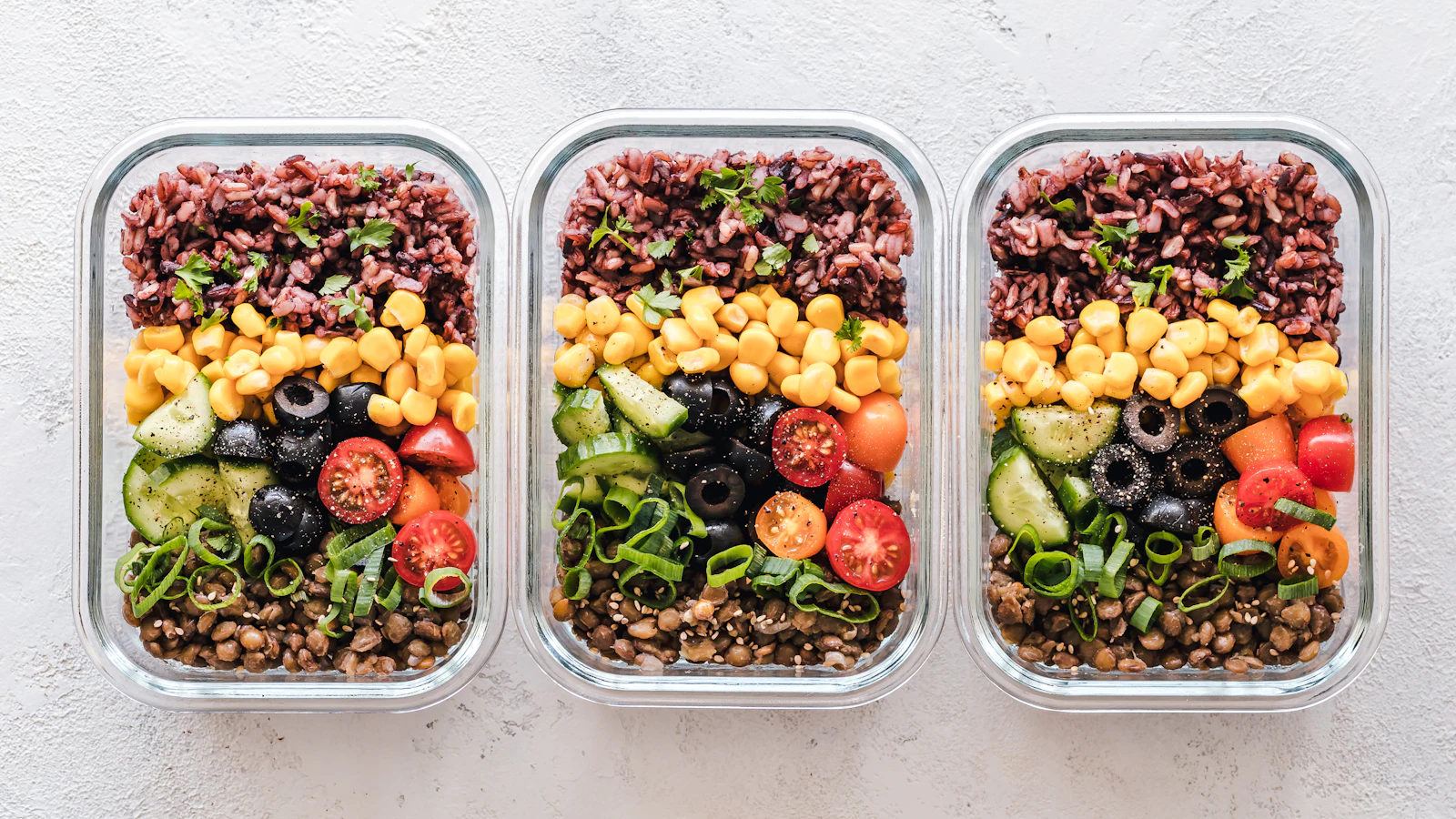
- A paratha roll or sandwich in a separate section
- A small box of nuts or dry fruit for older children
- A bottle of water
- A small napkin
For more ideas, see our children’s lunch box ideas.
Choosing a lunch box for fruit
A lunch box with separate sections stops the banana from touching other foods. Decent Stationery lists a bento lunch box, an insulated lunch box and more in its lunch box collection. Check each product page for the size and the number of sections, and make sure the compartment is long enough for a banana. You can buy a lunch box online in Lahore or anywhere in Pakistan.
If you pack a hot meal in the same bag, see our guide on how to keep food warm in a lunch box. Keep fruit away from the hot container.
Clean the lunch box daily
A banana can leave sticky marks. Wash the box and let it air dry after each day. For bottles, read our guide on how to clean a stainless steel water bottle.
Choosing the right banana for the lunch box
The banana you pick matters. A banana that is perfect at home may be too ripe by lunch.
- Slightly firm bananas are better for packing, because they will soften a little by lunchtime.
- Very ripe bananas bruise easily and may turn soft in a bag. Eat these at home or use them for baking.
- Bananas with damaged skin look worse sooner. Pick ones with clean skin.
- Smaller bananas fit more easily into a lunch box and are easier for children to eat.
Packing tips to prevent bruises
- Put the banana at the top of the bag, not under heavy boxes.
- Use a hard container with a lid for sliced fruit.
- Wrap a whole banana in a clean cloth or paper towel for padding.
- Keep the lunch box flat in the bag, not tilted.
- Do not place the banana next to sharp items such as pens or a geometry box.
Other fruits that travel well
If you want some variety, here are other fruits that children often take to school.
- Apple slices in a closed container
- Grapes, washed and dried
- Guava slices
- Small oranges or mandarins that are easy to peel
- Pear slices
- Melon cubes in a small box
Wash all fruit before packing, and let it dry so extra water does not make the lunch box damp.
Hygiene reminders
Wash hands before eating. Wash the lunch box and lid with soap and water every day, and let them dry before closing, because a damp closed box can smell. Throw away fruit that has gone soft or smells bad. If your child has food allergies, talk to the school about safe sharing rules. If you also pack a warm meal, our guide on how to keep food warm in a lunch box explains how to do it without making the fruit too warm.
Frequently Asked Questions
Yes. Choose a firm banana, wrap the stem and use a hard container.
Bananas bruise easily and ripen quickly. Chilling can also darken the peel.
The University of Nebraska-Lincoln suggests wrapping only the stem in plastic wrap or foil, and not storing bananas in plastic bags.
The University of Nebraska-Lincoln says refrigerating a ripe banana darkens the peel while the flesh inside stays light. Still, check the banana before eating it, and throw it away if it is soft or smells bad.
The University of Nebraska-Lincoln says about 54°F (about 12°C), and UC Davis says 13 to 14°C for Cavendish bananas. These are storage temperatures, not lunch box rules.
Decent Stationery lists lunch boxes online from Lahore. Check each product page for the size and the current price.
Conclusion
A banana is quick to pack, and these few steps help it arrive in good shape. Pick a firm one, wrap the stem and give it a hard container.
Related Reading
- Children’s lunch box ideas
- How to keep food warm in a lunch box
- How to clean a stainless steel water bottle
Sources and Further Reading
- University of Nebraska-Lincoln Food, guidance on prolonging the life of bananas
- UC Davis Postharvest Technology, banana storage (the page shows a last update in 1996)
- Lunch box and packing tips beyond storage are general guidance from our team. Product details come from the Decent Stationery product pages.
About the Author
Written by the Decent Stationery team in Lahore. We sell school stationery and lunch boxes online across Pakistan. Banana storage facts come from the University of Nebraska-Lincoln and UC Davis, and the other tips are general guidance from our team.