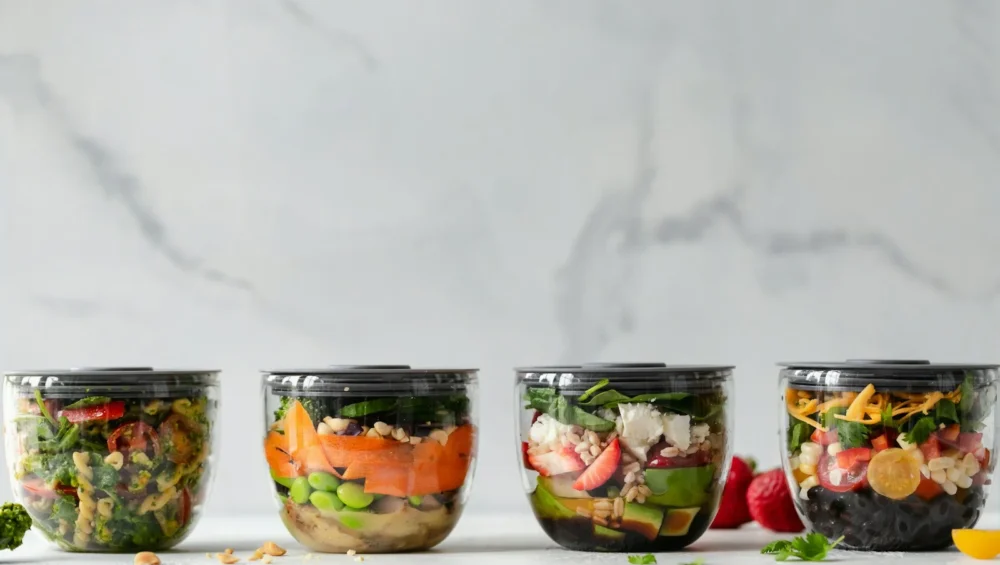
Here are childrens lunch box ideas that work for school days. A good lunch box holds a starchy food such as chapati, rice or bread, a protein such as egg, chicken or daal, some fruit or vegetables, and a dairy food or a bottle of water. Pack two or three items, keep them cold in warm weather, and let your child choose one of them. This guide from Decent Stationery in Lahore gives ideas with familiar Pakistani flavours, the safety rules that health bodies publish, and notes on choosing the box itself.
Key Takeaways
- Build the box from the food groups: grains, protein, dairy, fruit and vegetables.
- Two or three items are enough, says Marham.
- In warm weather, pack two cold sources with perishable food.
- Water is the best drink to pack, according to NSW Government guidance.
- Choose a box that is easy to clean and dry.
What Should a Children’s Lunch Box Contain?
Short answer: foods from each of the main groups, with vegetables or fruit added wherever possible.
The NSW Government in Australia lists five food groups for a lunch box. These are vegetables and legumes, fruit, grains, dairy, and lean meat, poultry, fish, eggs, tofu, nuts, seeds and beans. The British site Food a Fact of Life gives a similar plan and names chapatti among the starchy foods. It suggests 1 to 2 portions of fruit and vegetables, a portion of protein, and a dairy food or non-dairy alternative.
| Part of the box | Examples from the sources | Source |
|---|---|---|
| Starchy food | Bread, wraps, rice, pasta, chapatti | NSW Government, Food a Fact of Life |
| Protein | Hard-boiled eggs, lean cold meats, baked beans, tofu, fish | NSW Government |
| Dairy | Milk, yoghurt, cheese, or a calcium-added plant alternative | NSW Government, Food a Fact of Life |
| Fruit and vegetables | Whole or cut fruit, raw or cooked vegetables | NSW Government |
| Drink | Water, or milk | NSW Government, Food a Fact of Life |
The lunch box is only one part of the day. The World Health Organization says children aged 6 to 9 need at least 350 g of fruit and vegetables a day, and children over 10 at least 400 g. It gives at least 250 g for ages 2 to 5.
Lunch Box Ideas With Pakistani Flavours
Short answer: chapati rolls, egg sandwiches, daal wraps, cutlets and fruit with yoghurt all pack well and suit local tastes.
Marham lists seven ideas for children aged 5 to 12. An older Dawn article on school lunches adds more. The table gathers them.
| Idea | What goes in | Source |
|---|---|---|
| Chicken chapati roll | Shredded chicken and mint chutney in a whole wheat chapati | Marham |
| Boiled egg with brown bread | Two eggs, two slices of brown bread and cucumber sticks | Marham |
| Baked aloo cutlets | Potato cutlets baked, not fried, and frozen ahead | Marham |
| Daal roti wrap | Thick masoor daal wrapped in roti | Marham |
| Fruit and yoghurt box | Plain dahi with seasonal fruit | Marham |
| Mini paratha with dahi | A small aloo or plain paratha with plain yoghurt | Marham |
| Egg salad sandwich | Mashed egg and fresh coriander on brown bread | Marham |
| Kebab roll | Kebabs in a whole wheat chapatti | Dawn |
| Pulao or vegetable rice | Rice with vegetables | Dawn |
| Vegetable and cheese omelette | Omelette with vegetables and cheese | Dawn |
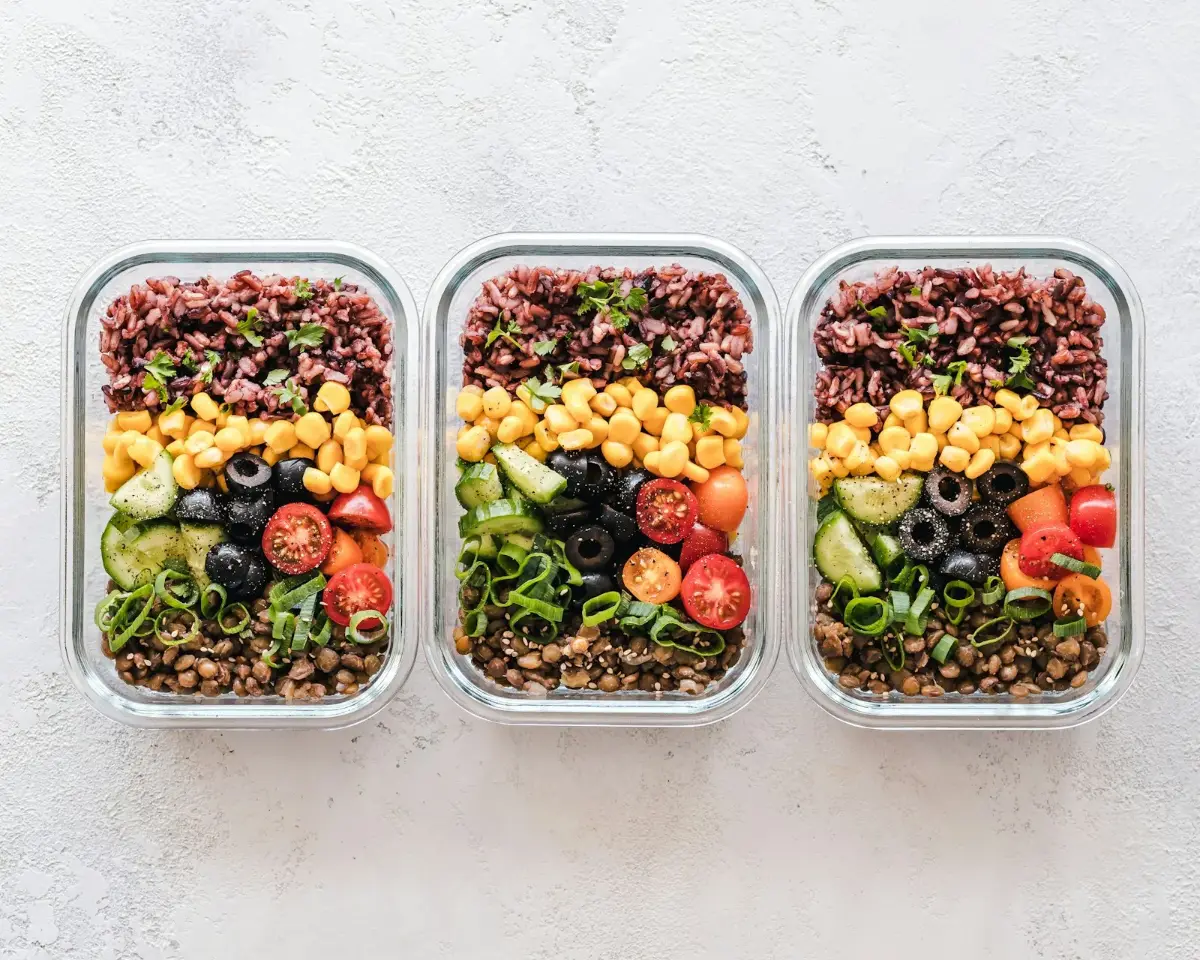
How do you make lunch appealing to a fussy eater?
Marham suggests letting the child choose one item from two or three options. It also advises adding a new food in a small portion beside familiar ones, and cutting food into shapes with a cookie cutter. Dawn notes that children often dislike raw vegetables and that vegetables go down better when mixed into other dishes.
How do you stop a sandwich going soggy?
The NSW Government advises keeping wet ingredients, such as tomato, in a separate container. It also suggests preparing lunch the night before, for example by slicing fruit and chopping vegetables. Marham gives a Sunday night preparation of boiled eggs, portioned yoghurt and washed fruit.
How to Keep a Lunch Box Safe in Warm Weather
Short answer: keep perishable food cold with two cold sources, and do not let it sit at room temperature for more than two hours.
Food Safety News, reporting advice from the United States Department of Agriculture, gives these rules. The USDA page itself describes the same cold lunch method.
| Rule | Figure | Source |
|---|---|---|
| Cold sources in a soft insulated bag | At least 2 | Food Safety News, USDA |
| Gel pack size, if two are used | Not smaller than 5 by 3 inches (about 13 by 8 cm) | USDA |
| Danger zone for perishable food | 40 to 140 degrees Fahrenheit (about 4 to 60 degrees Celsius) | Food Safety News |
| Longest time at room temperature | 2 hours, or 1 hour above 90 degrees Fahrenheit (32 degrees Celsius) | Food Safety News |
| Hot food held in a closed insulated container | 140 degrees Fahrenheit (60 degrees Celsius) or above | USDA |
The Celsius figures are our conversions, rounded. A frozen juice box or water bottle can serve as one cold source. Safefood Queensland also names frozen water bottles and freezer packs as ways to keep lunches cold.
Safefood Queensland advises lower-risk foods such as well-cooked meat, poultry, hard cheese and well-washed fruit and vegetables. It lists soft cheese, deli meats and homemade mayonnaise made with raw egg as high-risk foods. The NSW Government adds that young children’s immune systems are not fully developed, so they are more at risk from food poisoning.
For hot weather in Pakistan, Marham advises avoiding unrefrigerated mayonnaise or other perishable food when the temperature is above 35 degrees Celsius. It names April to September as the usual period. Dawn also lists highly perishable items among the foods to avoid in hot weather.
Hygiene and Cleaning
Short answer: wash hands before packing, wash fruit, and clean and dry the box every day.
Food Safety News gives 20 seconds of washing with soap and warm water before packing. Safefood Queensland recommends a lunch box that is easy to clean and dry, and advises washing fruit and vegetables well. After lunch, leftover food and disposable packaging should be thrown away and not reused.
Choosing the Lunch Box and Drink
Short answer: pick a box your child can open alone, that closes tightly, and that you can wash easily.
Decent Stationery lists several styles. The Bento Lunch Box, Pack of 2 is described on its product page as two stackable boxes with clear clip-lock lids and side latches. The Insulated Lunch Box is a stainless steel two-tier box whose lid folds out into a tray with three compartments. To add another layer of insulation, the Lunch Box Bag is an insulated fabric bag with a zip, two top handles and a side pocket. The product pages give no capacity or cold-holding times, so we cannot promise how long food stays cool. Browse all styles under shop lunch box online.
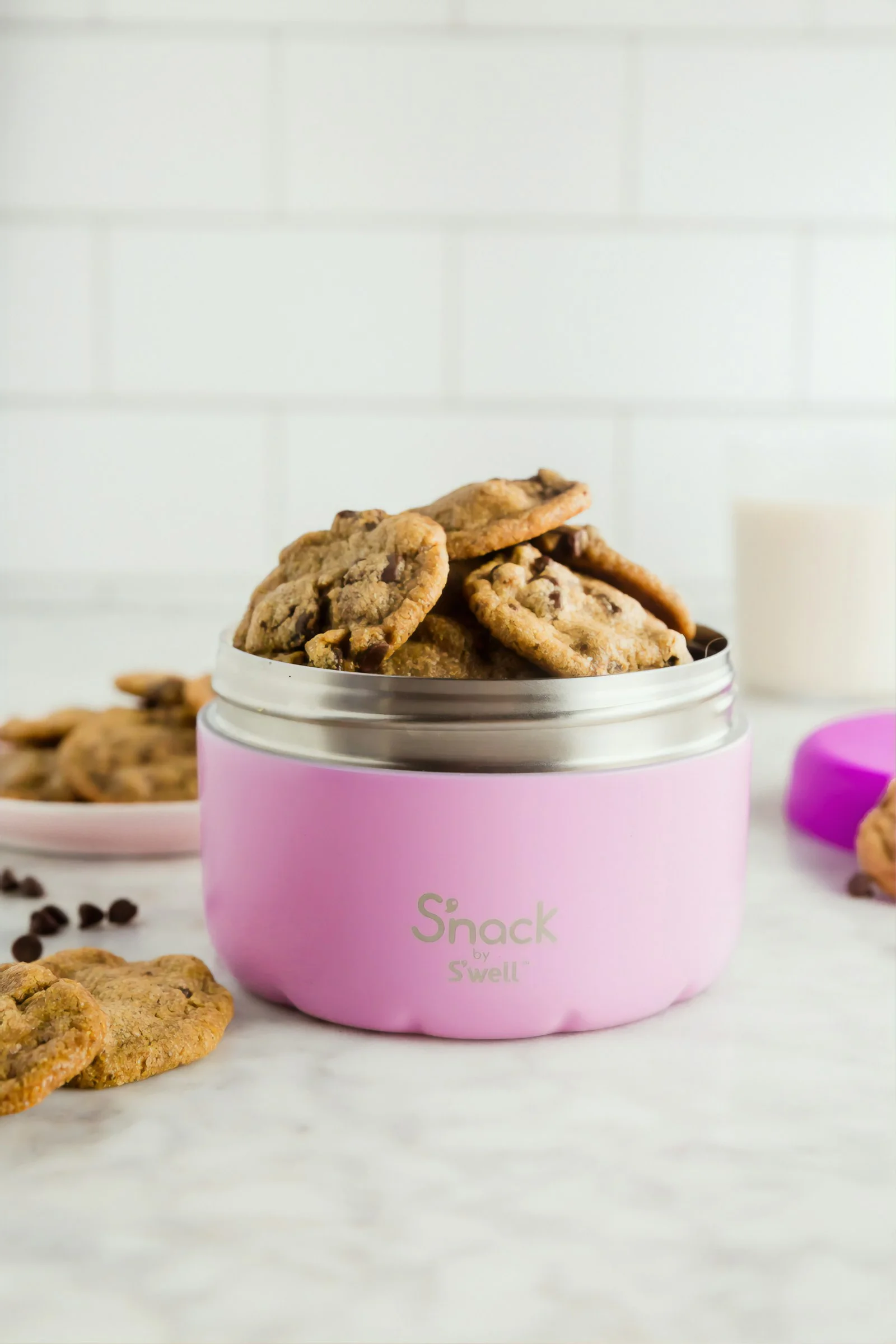
For drinks, the NSW Government calls water the best drink for children. Food a Fact of Life limits fruit juice and smoothies to 150 ml combined per day in its guidance, and WHO advises that free sugars stay under 10 percent of daily energy. Our guide to choosing a water bottle for school covers materials and lids, and you can see the range under water bottle in Pakistan.
Foods to Limit
Short answer: keep sweets, crisps and sugary drinks for rare occasions, and follow the school’s policy.
Food a Fact of Life says that crisps, confectionery and sugary fizzy drinks are commonly restricted by school policies, and that dried fruit is better offered at mealtimes than at break. Marham advises against sugary drinks, cream biscuits and wafers, and heavily spiced curries or rice with gravy in hot weather. It also notes that whole nuts are a choking risk for children under 5.
A Practical Note for Pakistan
Marham says school days often run 6 to 7 hours, with lunch breaks of 20 to 30 minutes. That favours food that is easy to eat and not messy, such as rolls, wraps and cut fruit. It lists guava from October to February, with mango and watermelon in summer, so seasonal fruit is easy to vary. Check the school’s rules on nuts and treats before you pack.
For the whole school day, see our guide to school bags in Pakistan, which suggests pairing a properly sized bag with a lunch box and a water bottle. Stock changes, so check each product page.
Frequently Asked Questions
Foods from the main groups: a starchy food, a protein, dairy, and fruit or vegetables, with water to drink. The NSW Government gives the five groups.
Marham suggests two to three items. A short lunch break leaves little time for more.
Use an insulated bag with at least two cold sources, such as a frozen gel pack and a frozen water bottle. Food Safety News reports this as USDA advice.
Yes. The NSW Government suggests preparing lunch the night before, and refrigerating it until school. Add the cold sources in the morning.
We found no source that ranks the two. Safefood Queensland asks only that the box be easy to clean and dry, and recommends insulation. The Decent Stationery product page for the Steel Lunch Box says stainless steel resists stains and food odours.
Marham advises avoiding unrefrigerated mayonnaise and other perishable food above 35 degrees Celsius. Safefood Queensland names soft cheese, deli meats and homemade raw-egg mayonnaise as high-risk foods.
Conclusion
A children’s lunch box needs no special skill. Choose from the main food groups, keep the portions small, pack cold food with cold sources, and wash the box daily. Start with one new idea from the table and see how your child responds. When you need a new box or bag, look at the range at Decent Stationery.
Related Reading
Sources and Further Reading
- NSW Government: Healthy School Lunchboxes
- Food a Fact of Life: Healthy Lunchboxes
- World Health Organization: Healthy Diet Fact Sheet
- USDA: Pack It Safe, Pack It Smart (lunchbox packing)
- Food Safety News: Back to School, Keep Lunches Safe Until It’s Time to Eat
- Safefood Queensland: Lunchbox Food Safety Tips
- Marham: Kids Lunchbox Ideas
- Dawn: Healthy Eating, What’s for Lunch? (2009)
About the Author
Written by the Decent Stationery team in Lahore. We sell school, office and art stationery online across Pakistan, including lunch boxes, lunch bags and water bottles. Food and safety figures come from the linked sources, and product details from our own product pages. This guide is general information, not medical advice.