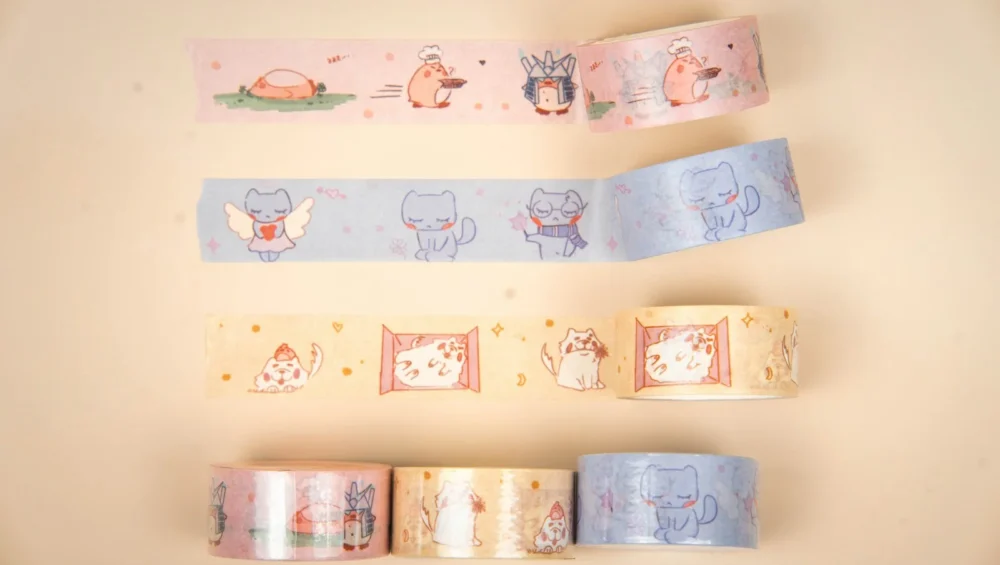
Here is how to use washi tape. Tear or cut a strip to the length you need, peel it from the roll, press it onto a clean surface, and smooth it down. Because the adhesive is weak, you can lift the strip and move it if it lands in the wrong place. Washi tape suits paper, cardboard, glass, wood and smooth walls, and it is used for journals, cards, gift wrapping and for brightening plain objects. This guide from Decent Stationery in Lahore explains what the tape is, which surfaces take it well, ten simple uses, and how to remove it without damage.
Key Takeaways
- Washi tape is a decorative masking tape with a weak adhesive. It can be repositioned and tears by hand.
- Typical rolls are under 1 inch wide, according to House Digest.
- It sticks well to paper, card, glass, smooth wood, tile and metal. It is a poor choice for fabric and water bottles.
- Peel it slowly from one edge. A quick pull can tear paper.
- Test a small strip on any new surface before you decorate a large area.
What Is Washi Tape?
Short answer: washi tape is a thin, patterned masking tape that is easy to tear and easy to lift.
Zenpop, a Japanese shop and blog, explains that in Japan the tape is simply called masking tape. The Western name comes from washi, the Japanese word for traditional paper, though the tape is not always made of washi. Wikipedia says washi is made from the inner bark of the gampi tree, the mitsumata shrub or the paper mulberry bush, and that paper mulberry is the most common.
Tofugu, a Japan culture site, and Zenpop both date the modern tape to 2006. Zenpop says three women from Tokyo asked the Kamoi paper mill, which made industrial adhesive tapes, for more colours and designs for craft use. The company then produced the “MT masking tape” line. Because the paper fibres separate at random, Tofugu notes, the tape tears neatly in any direction.
How Do You Use Washi Tape? Three Simple Steps
Short answer: tear or cut it, stick it down, and smooth it flat.
Chic Choi, a stationery shop, gives the method in three steps.
- Tear or cut. Pull a strip to length by hand, or cut it with scissors.
- Stick. Peel the strip from the roll and lay it on the surface.
- Smooth. Press along the strip so that it grips evenly.
Cutting with scissors gives clean lines. The Creative Folk adds that scissors allow decorative ends, such as a point or a V-notch. House Digest suggests a craft knife for precise lines and a ruler held on the tape for a straight tear, or tearing freely for a frayed edge.
Which Surfaces Are Safe for Washi Tape?
Short answer: smooth, clean, dry surfaces are best, and rough or cold ones are poor.
House Digest lists the surfaces it found suitable and unsuitable.
| Works well | Poor choice |
|---|---|
| Paper and cardboard | Fabric |
| Glass, jars, vases | Styrofoam |
| Smooth or painted wood | Water bottles |
| Metal | Cold outdoor or car windows |
| Whiteboards, cork boards, tile, drywall | Rough wood, brick, stone (will not stick well) |
The same page says the glue hardens and bonds poorly below 40 degrees Fahrenheit, which is about 4 degrees Celsius. The Creative Folk adds that rain will break the tape down, so keep it indoors. This is unlikely to matter indoors in Lahore, though a window on a winter night may be cold enough to matter. Test a small strip near the floor, behind a piece of furniture, or in a corner before committing to a large area.
Ten Ways to Use Washi Tape
Short answer: use it to decorate and organise paper first, then try walls, frames and gifts.
| Use | How |
|---|---|
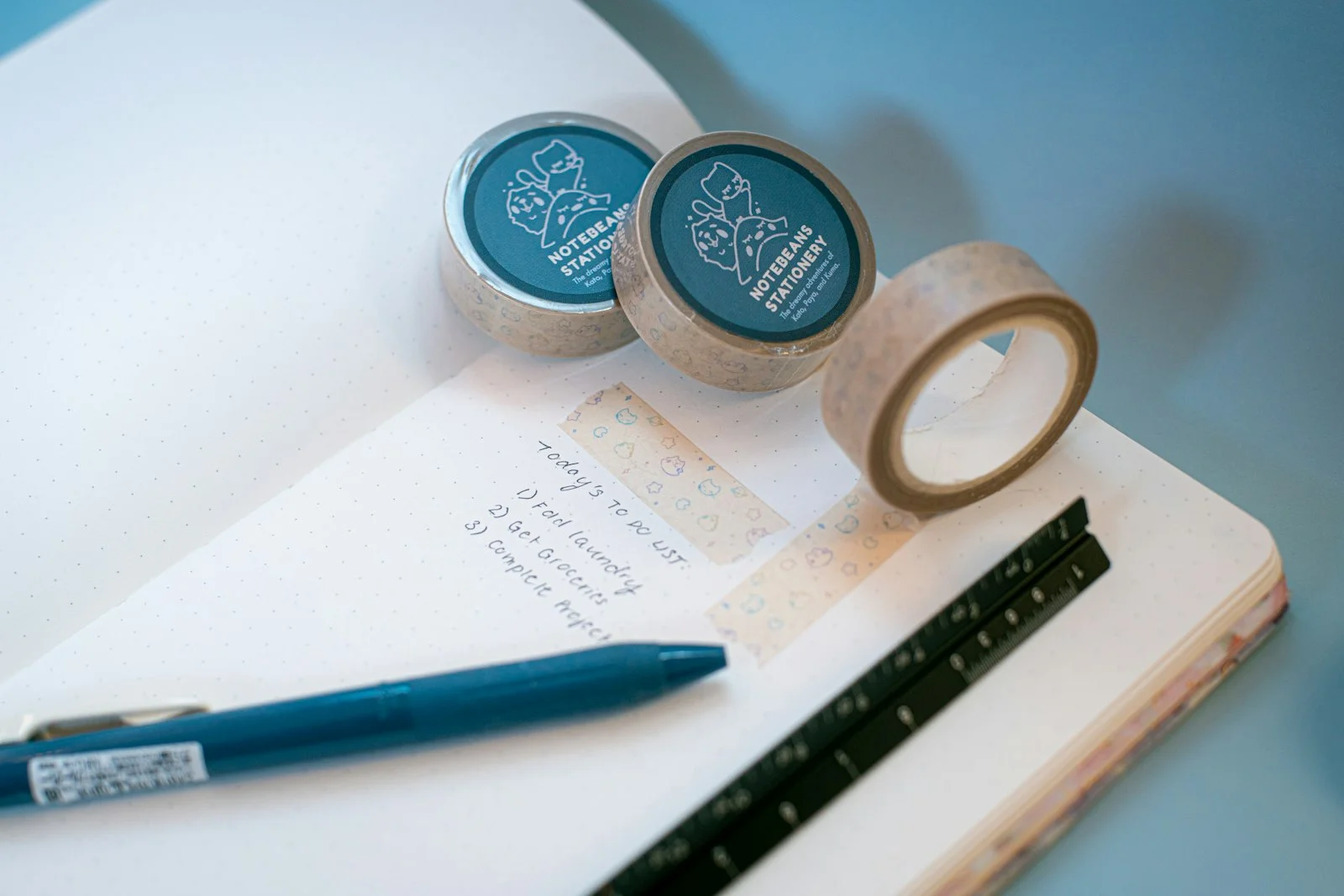
| Journal borders | Lay strips along the page edge or around a heading. Chic Choi lists borders, frames and tabs. |
| Page markers | Fold a short strip over the page edge so it sticks to itself (The Creative Folk). |
| Labels | Stick a strip on a jar or folder and write on it with a permanent marker (The Creative Folk). |
| Gift wrapping | Criss-cross it over a box, or add a pattern to plain craft paper (Life of Colour). |
| Cards | Decorate a handmade card, or layer strips on cardstock to make a bookmark (Chic Choi). |
| Envelopes | Seal or decorate the flap (Chic Choi). |
| Clean paint edges | Mask the edge of a watercolour page, and remove the tape once the paint is dry (The Creative Folk). |
| Picture frames | Outline a frame with tape, leaving a gap of half an inch to one and a half inches (House Digest). |
| Photo display | Tape the whole border of a poster to a wall, since one strip will not hold it (The Creative Folk). |
| Party flags | Fold a strip around a toothpick to make a cupcake flag (The Creative Folk). |
How do you use washi tape in a journal or planner?
Life of Colour suggests using it to mark sections and draw lines between days. It also advises choosing a planner style you like, copying its washi use first, and then adapting it. Save leftover scraps of tape, since a strip can be moved and used again. Combine different designs to make your own patterns, as Life of Colour suggests, and use stripes as a quiet base when another pattern is bold, as House Digest advises.
Can you use washi tape instead of painter’s tape?
On paper, yes. Life of Colour says washi tape is gentler than painter’s tape, which can tear paper, so it suits clean edges on watercolour work. On a painted wall, House Digest says it will not pull the paint away, which comes from the same weak glue.
How Do You Remove Washi Tape Without Damage?
Short answer: peel it slowly from an edge and pull it evenly.
House Digest states that washi tape is low-tack and will not pull away paint, even after a long time, and advises peeling slowly from the edge. On paper or cardboard, yanking it quickly can tear the surface. The Creative Folk says the tape comes off paper without residue and off walls without lifting paint. Tape in busy places, such as a door edge, may peel at the corners over time, according to House Digest.
A Practical Note for Pakistan
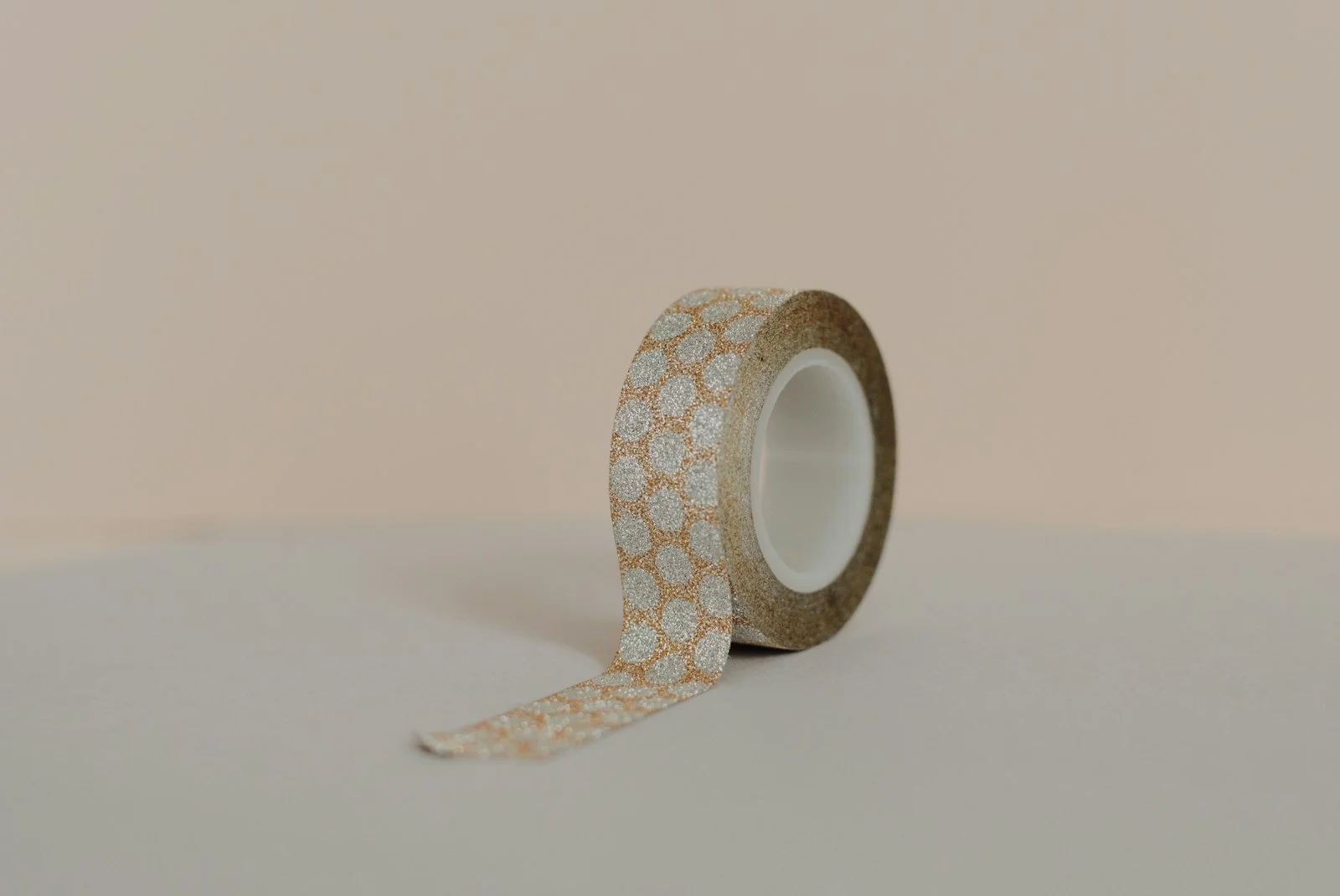
Rolls differ in width, so look at the product page before buying. The Decorative Glitter Washi Tape Rolls at Decent Stationery come in a pack of 12 with glitter or holographic finishes in hearts, flowers, butterflies, stars and stripes. The Multi-Pattern Decorative Masking Tape is a boxed set in vintage florals, stripes, checks and animal prints. The product pages do not state the width or length of the rolls, so please check before you plan a large project.
A notebook is a good place to practise. The Cute Pastel Pink Mini Spiral Notebook is one of several listed under cute notebooks. The range of tape is under washi tape in Pakistan, though stock changes. Store rolls in a drawer away from sunlight, a common-sense habit rather than a finding from the sources. For more ideas, see our guides on how to decorate a clipboard, how to decorate a study table, and cute stationery gift ideas.
Frequently Asked Questions
It is used to decorate journals, planners, cards, gifts and envelopes, to make borders and labels, and to mask clean edges in painting. Chic Choi lists five groups of uses, from notebooks and gift wrapping to home organisation.
Only lightly. Chic Choi calls it “not very sticky”, so it can be repositioned, and The Creative Folk says a single strip will not hold a poster on a wall. Tape the whole border instead.
Yes. Uniquely Creative says you can write on it, and The Creative Folk suggests a permanent marker for labels. Test your pen on a scrap strip first.
House Digest says it is low-tack and will not pull away paint, and The Creative Folk agrees. Test a hidden spot first, and peel slowly.
Almost. Zenpop says that in Japan washi tape is simply called masking tape. Life of Colour describes it as a repositionable masking tape with a low-tack adhesive, gentler on paper than painter’s tape.
It is not advised. The Creative Folk says rain will break the tape down, and House Digest says the glue bonds poorly in the cold.
Conclusion
Washi tape is a cheap, forgiving craft material. Tear it, stick it, smooth it, and move it if you do not like the result. Start on paper, test other surfaces on a small patch, and peel the tape slowly when you remove it. When you are ready for more rolls, browse the range at Decent Stationery.
Related Reading
Sources and Further Reading
- Zenpop: What Is Japanese Washi Tape?
- Tofugu: Washi Tape
- Wikipedia: Washi
- Chic Choi: How to Use Washi Tape
- Life of Colour: What Is Washi Tape? Six Ideas for Using Washi Tape
- Uniquely Creative: How to Use Washi Tape on Your Scrapbooking Layouts
- The Creative Folk: Ultimate List of Uses for Washi Tape
- House Digest: How to Use Washi Tape as Decor
About the Author
Written by the Decent Stationery team in Lahore. We sell school, office and art stationery online across Pakistan, including decorative tape and cute notebooks. Facts about the tape and its uses come from the linked sources, and shop details from our own product pages.