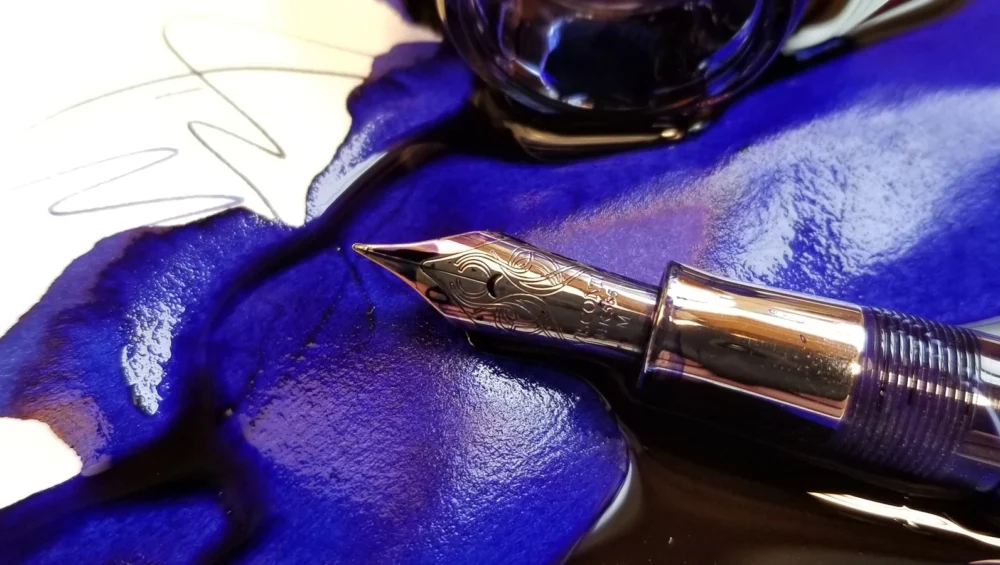
Choosing the wrong ink can clog a fountain pen or even damage it. So which ink is best for a fountain pen? For most students and beginners, a bottled or cartridge ink that is made for fountain pens and based on dye is the safest choice. This guide explains why, which inks to avoid and how to match the ink to your pen. Decent Stationery in Lahore lists fountain pen ink in Pakistan for everyday writing.
Key Takeaways
- Use ink made for fountain pens. Dye-based ink is the usual choice for most pens.
- Avoid pigment inks, India ink and iron gall ink unless your pen’s maker says they are fine.
- When in doubt, check the pen’s manual or ask the seller.
What fountain pen ink is made of
According to Wikipedia’s fountain pen article, modern fountain pen ink is almost exclusively dye-based, because pigment particles usually clog the narrow passages inside the pen. The same article says that ordinary India ink cannot be used in fountain pens because its binder would very quickly clog them. It also says that traditional iron gall ink can corrode a pen, and that even modern iron gall formulas can still be corrosive if left in the pen for a long time. Pigmented fountain pen inks do exist, but the article calls them uncommon.
In other words, ink that works in a dip pen or a brush pen is not always safe for a fountain pen. Always look for a label that says the ink is made for fountain pens.
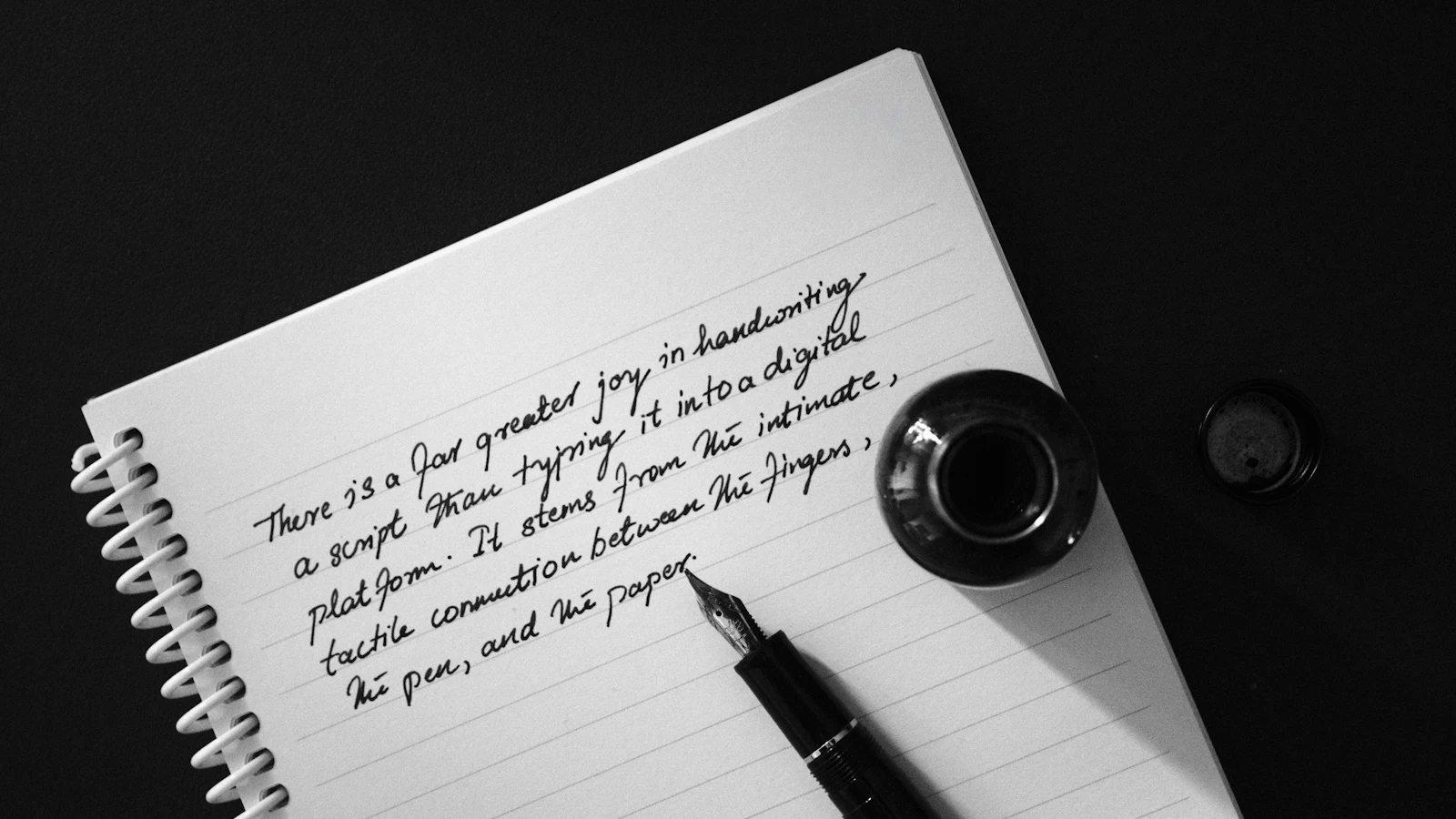
Bottled ink or cartridges?
- Cartridges: clean, quick and easy to carry. They suit students and travel. You need cartridges that fit your pen.
- Bottled ink: more colors, and the Wikipedia article lists cheaper ink and a wider selection among its advantages. You need a converter or a piston pen to fill from a bottle. Read our guide on how to fill ink in a fountain pen for the steps.
Many fountain pen users keep both. A cartridge is handy at school, and a bottle is handy at the desk.
How to choose a fountain pen ink
- Check the label. Look for the words fountain pen ink.
- Pick a color that is easy to read. Blue and black are the classic choices for school.
- Think about paper. A very wet ink can show through thin paper. Test on a spare page.
- Match the ink to the pen’s maker. Some makers recommend their own ink. Follow their guidance for the pen’s warranty and care.
- Buy a small bottle first. You can try the ink before committing to a bigger one.
Inks to avoid in a fountain pen
- Permanent marker ink or board marker ink: these are made for other tools, not for the narrow feed of a fountain pen.
- India ink and drawing ink: Wikipedia says normal India ink would quickly clog a fountain pen.
- Pigment inks: pigment particles usually clog narrow passages, so use them only if the pen’s maker says they are suitable.
- Iron gall ink: Wikipedia warns that it can corrode a pen, and a more thorough cleaning routine is sometimes advised by manufacturers or resellers.
- Mixed inks: it is safer not to mix brands or types, since a different ink may behave differently in the pen. Follow your pen maker’s advice.
Looking after the pen
A pen that is used every day usually needs little more than fresh ink. If you leave a pen unused for a long time, empty and rinse it with clean water before you put it away. Wipe the nib with a soft cloth and cap the pen firmly. Always check the care guide from your pen’s maker.
If you get ink on your clothes, see our guide on how to remove ink stains from clothes.
Fountain pen ink at Decent Stationery
Browse the fountain pen ink collection to see the colors and bottle sizes on offer, including Nafees fountain pen ink. Check each product page for details. You can buy fountain pen ink online in Pakistan and check the price on each product page. If you need a pen to go with it, view the fountain pen collection. Curious about the history? Read who invented the fountain pen.
Choosing an ink color
Color is the fun part, but a few points help you choose well.
- Black: a safe choice for exams, forms and anything you want to read clearly.
- Blue and blue-black: the usual colors for school and office writing.
- Red and green: useful for corrections and headings, but too bright for long passages.
- Bright or unusual colors: good for journaling and art, but test them on your paper first because some can look faint.
A useful habit is to write a few lines on the same paper you use every day. The ink can look different on thin notebook paper than on thick drawing paper.
How to test a new ink
- Fill the pen as shown in our guide on how to fill ink in a fountain pen.
- Write a few lines and note how smoothly the ink flows.
- Watch the line for a minute. Does it dry quickly or smudge?
- Wet a corner of the test page with a drop of water and see whether the ink runs. This tells you how it would behave if a page got damp.
- Leave the pen for a day and write again. If it starts easily, the ink suits the pen.
Keep a small note of each result, so you remember which ink suited which paper.
Changing from one ink to another
When you switch inks, rinse the pen first. Remove the old cartridge or empty the converter, flush the nib and feed with clean water until the water runs clear, and let the pen dry. Follow the pen maker’s cleaning instructions for your model.
Storing ink bottles
- Keep the bottle upright with the cap screwed on tightly.
- Store it away from sunlight and heat.
- Do not leave a bottle where children can knock it over.
- Wipe the neck before closing it so the cap does not stick.
- Use up the bottle in a reasonable time, and throw away ink that smells bad or looks cloudy.
Signs that your ink is not right for your pen
- The pen skips often, even after a clean.
- The line looks very watery or very thick.
- The ink dries in the nib after a short time.
- The feed gets clogged.
- Paper looks wet and wrinkled after writing.
If you see these signs, clean the pen and try a different ink made for fountain pens. The history of these pens is explained in our article on who invented the fountain pen, and it shows how much the ink and feed matter to a pen’s performance.
Frequently Asked Questions
A dye-based ink made for fountain pens is the usual choice. Wikipedia notes that modern fountain pen inks are almost exclusively dye-based because pigment particles usually clog the narrow passages.
No. Marker ink, India ink and many pigment inks can clog the pen. Use ink made for fountain pens.
Both are fountain pen ink. A cartridge is a sealed refill, and a bottle needs a converter or piston to fill the pen.
It is safer not to. A different ink may behave differently in the pen, so follow your pen maker’s advice.
Refill when the pen runs low. If you stop using the pen for a long time, empty and rinse it first.
Decent Stationery lists fountain pen ink online from Lahore. Check each product page for color, size and the current price.
Conclusion
The right ink keeps your pen working for years. Choose ink made for fountain pens, test a small bottle and enjoy the writing.
Related Reading
Sources and Further Reading
- Wikipedia: Fountain pen (ink types, clogging and corrosion, cartridges and converters)
- Product details come from the Decent Stationery product pages.
About the Author
Written by the Decent Stationery team in Lahore. We sell school, office and art stationery online across Pakistan, including fountain pen ink and pens. The ink points come from the Wikipedia article listed above, and product details come from our own product pages.