
Key takeaways: A complete geometry box should include a compass, divider, protractor, two set squares (45° and 60°), and a ruler in one durable case. Metal compasses with a locking screw hold their angle better than snap-fit plastic ones, which matters when your child is drawing exam diagrams. Match the box size to your child’s grade: a compact set works for primary school, while a full 9 to 12 piece set suits middle and secondary students doing formal geometry. Check the case latch and hinge before buying, since a cracked case is one of the most common reasons parents end up replacing a geometry box mid-term. Buying from a trusted stationery supplier like Decent Stationery also means the protractor markings and ruler measurements are accurate, which cheaper unbranded sets sometimes get wrong.
Every school year in Pakistan starts the same way: a fresh supply list, a trip to the stationery shop, and a shelf full of geometry boxes that all look identical from the outside. Parents often end up picking one based on price or packaging alone, only to find weeks later that the compass will not hold an angle, the protractor is warped, or the case hinge has already snapped. A geometry box is one of the few school tools your child will use every single week from Class 6 onward through their board exams, so getting it right the first time saves money and frustration. This guide walks through exactly what to look for, how requirements change by grade, and which details separate a box that lasts the year from one that falls apart by mid-term.
What Should Be Inside a Geometry Box
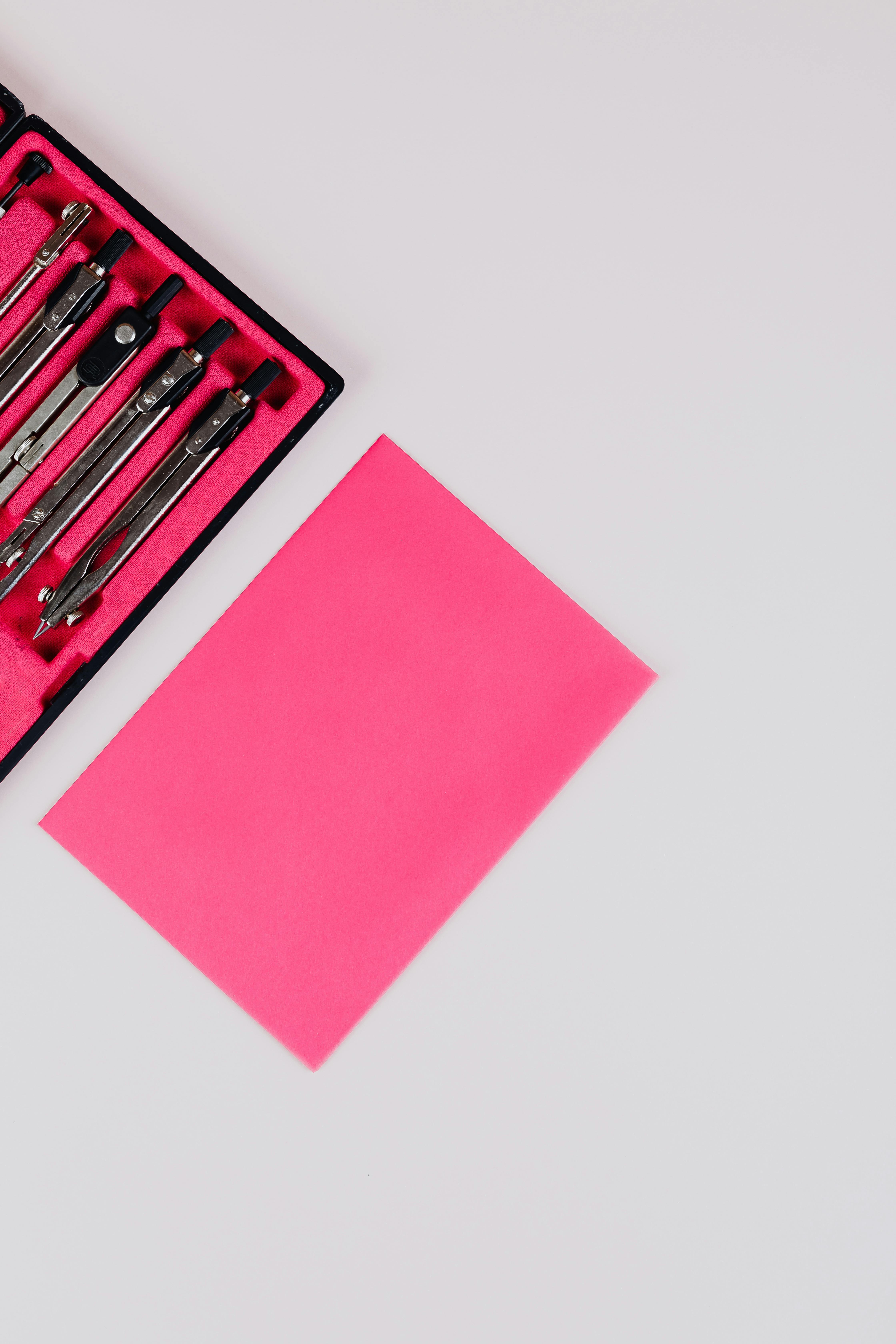
A standard geometry box used in Pakistani schools typically includes a compass for drawing circles and arcs, a divider for measuring and transferring distances, a protractor for measuring angles, two set squares (a 45° and a 60°), and a ruler, usually 15cm or 30cm. Many sets also include a small sharpener and eraser tucked into the case. This combination covers everything required for Mathematics and Geometry syllabi at the Matric and Intermediate levels, so there is rarely a need to buy separate tools once you have a complete box such as the Dux Mathematical Geometry Box or the Oro Geometry set.
If your child only needs one or two tools replaced rather than a full set, most instruments in a geometry box range are also sold individually, so you are not forced to buy an entire new case for a single broken compass.
How to Choose Based on Grade Level
Younger students in primary school generally need a smaller, simpler set: a basic compass, a ruler, and one or two set squares are usually enough, since formal geometry has not yet started. A compact option like the Kiddy Transparent Geometry Box works well here, since it is easy for smaller hands to open, close, and carry without extra tools that will not be used for another year or two.
From Class 6 onward, once formal geometry, angle construction, and technical drawing enter the syllabus, a complete 9 to 12 piece set becomes necessary. Secondary and Intermediate students preparing for board exams should have a full set with a precise, lockable compass, since exam diagrams are marked for accuracy. A set such as the Beautiful Geometry Box or the Kidco Transparent Geometry Box covers this stage well.

Metal vs Plastic Instruments
The biggest quality difference in any geometry box comes down to the compass. A metal compass with a locking screw holds its set angle firmly while drawing, so circles stay consistent from start to finish. A snap-fit plastic compass, on the other hand, tends to loosen mid-drawing, which throws off the accuracy of the circle or arc. For younger children who are just learning to use a compass, a simpler plastic version can be easier and safer to handle. But once accuracy starts to matter for homework and exams, a metal, screw-adjustable compass is worth the small price difference.
The same logic applies to the protractor and set squares. Rigid, clearly printed measurement lines matter more than material, so check that the numbers are sharp and not blurred or misprinted, which happens more often with very cheap, unbranded sets.
Signs of a Good Quality Geometry Box
Before buying, it helps to check a few physical details rather than relying on the price tag alone. Open and close the case a few times to test the latch and hinge, since a broken case is one of the most common reasons a geometry box gets replaced partway through the term. Check that the compass needle is sharp and the pencil-holding end grips firmly. Hold the ruler and protractor up to the light to make sure the printed markings are clear and not smudged. Geometry boxes sold in Pakistan generally range from around Rs 200 for a basic plastic set to Rs 1,500 or more for premium sets with a full metal compass, so price is a reasonable guide to build quality, though it is not the only one.

Caring for Your Geometry Set
A geometry box lasts longer with a few simple habits. Encourage your child to wipe the compass point dry after use, since moisture can cause it to rust over a school year. Keep the case closed when not in use so instruments do not shift around and crack the hinge. It also helps to pair the geometry box with a sturdy pencil case or a notebook from the notebooks range, so loose instruments are not rattling around freely inside a school bag alongside pens from the writing instruments collection.
Frequently Asked Questions
Which geometry box brand is most trusted in Pakistani schools?
Dux is one of the most widely used and trusted geometry box brands among Pakistani students, along with Faber-Castell. Both are known for accurate, board-exam-ready instruments.
Do all geometry boxes meet Matric and Intermediate board requirements?
Yes, standard geometry boxes sold for school use in Pakistan are built to meet the instrument requirements for Matric and Intermediate board exams, covering compass, divider, protractor, set squares, and ruler.
Can I buy just a compass or protractor instead of a full set?
Yes, individual instruments are generally sold separately, so if only one tool from your child’s geometry box breaks, you do not need to replace the entire case.
What is a reasonable price range for a good geometry box?
Basic plastic sets start at around Rs 200, while premium sets with a full metal compass and complete instrument range can cost Rs 1,500 or more, depending on the brand and materials.
A well-chosen geometry box is a small investment that saves you from repeat trips to the stationery shop throughout the school year. For more back-to-school essentials, browse the full school supplies range at Decent Stationery.