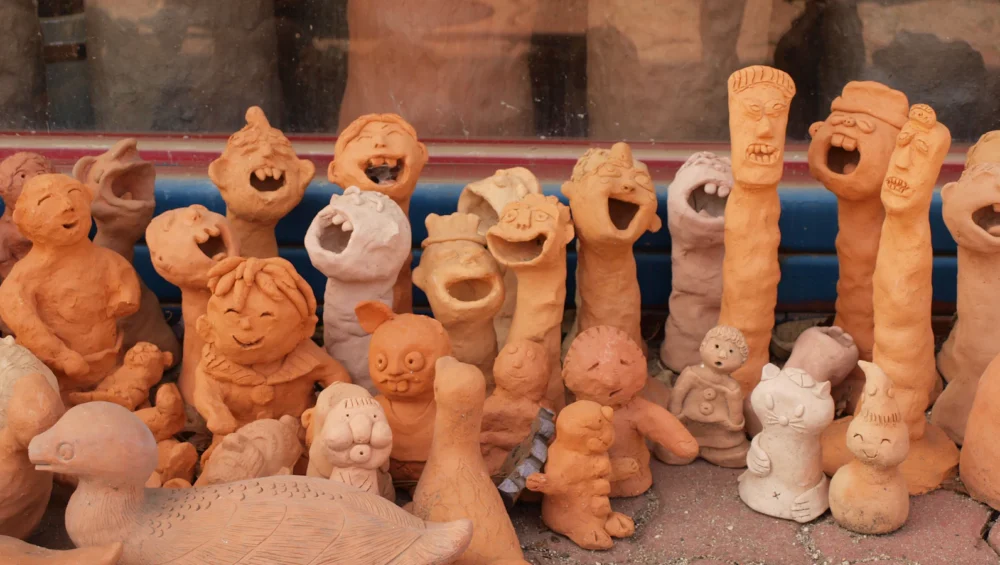
Clay is one of the friendliest craft materials. It is soft, easy to shape and fun for all ages. These clay art ideas need only your hands, a few simple tools and a little space on the table. They suit a school holiday, a weekend with friends or a quiet evening at home. Decent Stationery in Lahore lists art clay in Pakistan for kids and beginners.
Key Takeaways
- Start with simple shapes such as balls, coils and flat slabs.
- Try ten easy projects: animals, beads, magnets, a pinch pot, a name plaque and more.
- Always follow the instructions on your clay pack for drying or baking.
Know your clay first
There are different types of craft clay. Some air-dry, some stay soft for reuse and some are baked in an oven. They do not all behave the same way, so read the pack before you start. When you shop, check each product page to see which type of clay it is and how it should be dried or stored.
For safety, children should be supervised, should not eat the clay and should wash their hands after playing. Keep tools with sharp points away from small children.
What you need
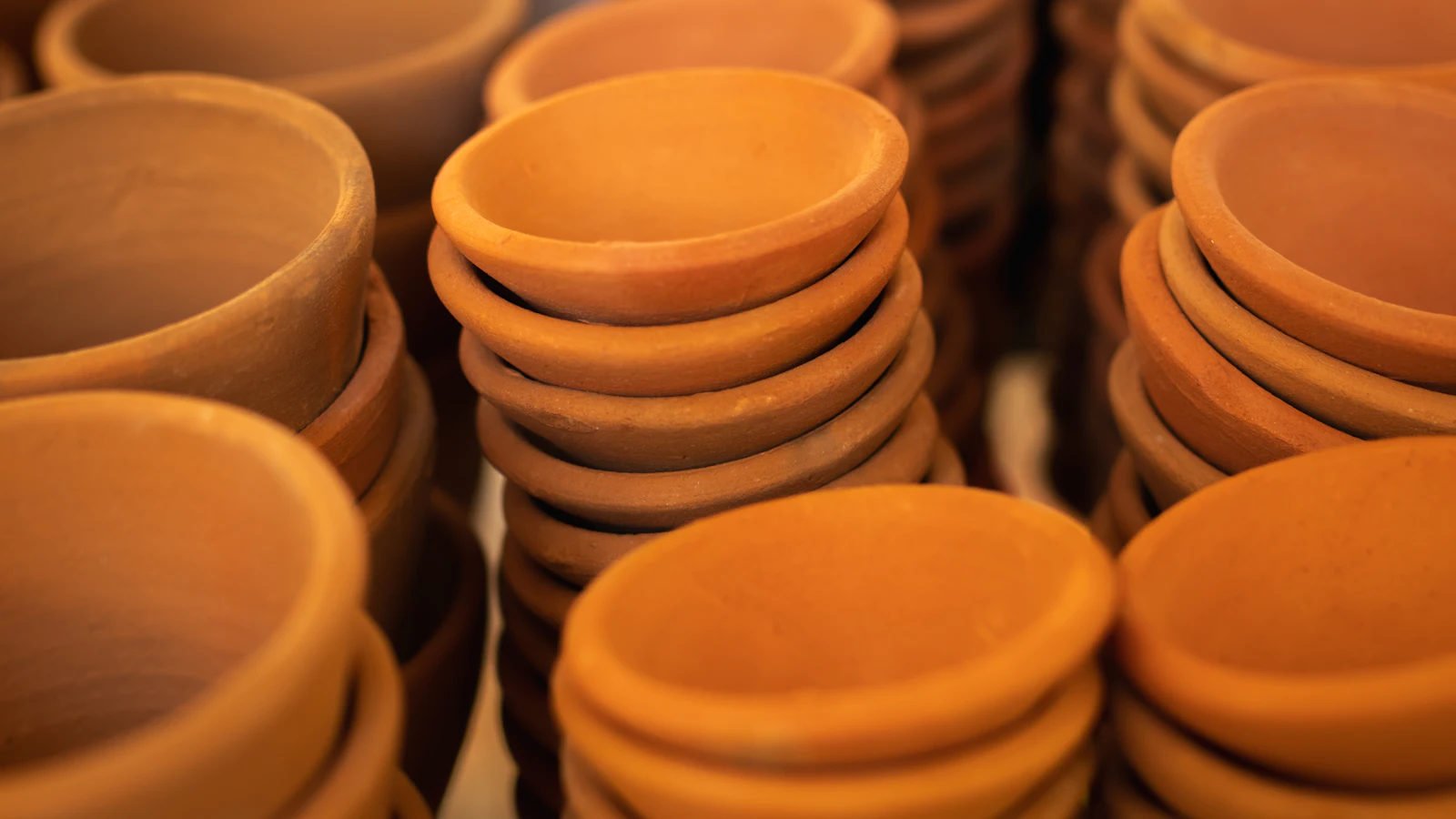
- Art clay in a few colors, or an art modeling clay kit
- A clean table mat or a sheet of paper
- A toothpick or a blunt pencil for details
- A rolling pin or a round bottle for flattening
- Optional: acrylic paints to decorate dry pieces, if your clay type can be painted (check the pack)
10 easy clay art ideas
- Clay animals: roll balls and coils for the body, head and legs and press them together. Add small eyes with a toothpick.
- Colorful beads: roll small balls, poke a hole through each with a toothpick and thread them once dry.
- Fridge magnets: shape a flower, fruit or star and attach a magnet to the back after it has dried.
- Pinch pot: push your thumb into a ball of clay and pinch the sides to form a small bowl. It is a good first project for beginners.
- Name plaque: roll out a flat slab, cut a rectangle and press in letters with a toothpick.
- Miniature food: shape small fruits, biscuits and roti for a pretend kitchen.
- Flower garden: make petals from tiny flattened balls and arrange them around a center.
- Keychain charm: shape a small figure and make a hole at the top while the clay is soft.
- Coil bowl: roll long ropes of clay and stack them in a spiral, smoothing the joins.
- Textured tile: press a leaf or a button into a slab to leave a pattern, then lift it off.
Tips for smooth results
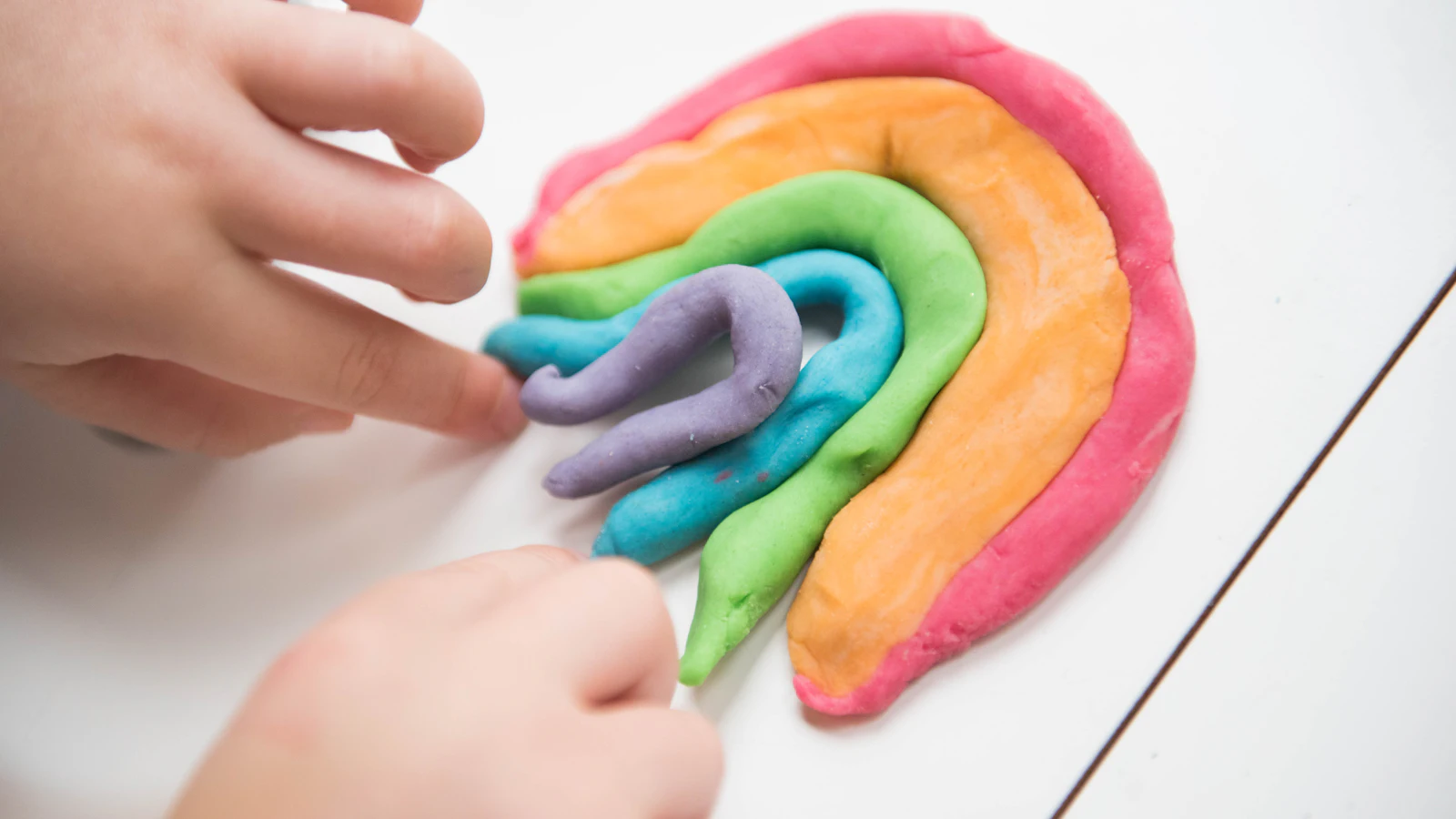
- Warm the clay in your hands for a moment before you shape it.
- Join two pieces by pressing them together firmly and smoothing the seam with a finger.
- Add a few drops of water only if the clay pack allows it, because this depends on the clay type.
- Keep unused clay covered so it does not dry out.
- Let finished pieces dry in a safe, flat place.
- Work on a mat so crumbs of dried clay do not stick to the table.
Clay projects for a classroom
Teachers can use clay for a lesson on animals, shapes or the alphabet. Each child makes one object and the class puts them on a display table. Pair clay with a chart paper decoration backdrop to turn the table into a mini gallery.
Where to buy art clay in Pakistan
Decent Stationery lists art clay and modeling kits in its art clay collection. You can buy modeling clay online in Lahore or anywhere in Pakistan. Check each product page for the colors, pack size and current price. For more craft inspiration, read our guide to foam sheet craft ideas.
Basic clay techniques every beginner should know
Most clay art comes from a few simple moves. Practice them on a small piece before you start a project.
- Rolling a ball: press a small piece between your palms and move them in a circle.
- Rolling a coil: roll the clay on a flat surface with your fingers, moving outwards from the center to make a long snake.
- Pinching: push your thumb into a ball and pinch the walls gently to make a small bowl.
- Flattening: press the clay with your palm or a rolling pin to make a slab, then cut shapes from it.
- Joining pieces: scratch both surfaces lightly and press them together. A tiny amount of water helps some clays, but check your pack instructions first.
- Smoothing: wipe the surface with a slightly damp fingertip to remove cracks and fingerprints.
Drying, painting and finishing
How you finish a clay piece depends on the type of clay. Air-dry clay hardens by itself, while some other clays need baking or firing. Always follow the instructions printed on your pack, since drying and baking times differ from one product to another.
- Let the piece dry fully in a place that is not too hot or in direct sun. Fast drying can cause cracks.
- Turn the piece over now and then so it dries evenly.
- Sand rough edges gently once it is hard, if the pack allows it.
- Paint it with acrylic paints in thin coats and let each coat dry, if your clay type can be painted.
- Add a clear sealer if the clay instructions recommend one.
Fixing common clay problems
- Cracks while drying. Fill them with a little fresh clay mixed with water, smooth them and let the piece dry more slowly.
- Pieces fall off. The join was weak. Scratch the surfaces more deeply and press them together firmly.
- Lumpy surface. Use a damp finger to smooth the clay before it dries.
- Clay sticks to the table. Work on a sheet of baking paper or a plastic mat.
- Clay dries out while you work. Keep the unused clay wrapped in plastic or in a closed container.
Display and gift ideas
Clay art makes a lovely gift. Make a small bowl for keys, a nameplate for a bedroom door or a set of magnets for a fridge. Display finished pieces on a shelf, or wrap them in tissue paper and give them in a gift bag. Our guide on how to make a gift bag shows how to make one to match.
Safety notes for kids
Check the pack to see whether the clay is labeled non-toxic and suitable for the child’s age. Do not let young children put clay in their mouths. Cover the table, wash hands after play and store tools out of reach of toddlers.
Frequently Asked Questions
Pinch pots, beads, magnets and simple animals are good starting projects.
No. Your hands, a toothpick and a table mat are enough to begin.
Keep unused clay covered or sealed. Follow the storage instructions on the pack.
Check the pack for safety information and supervise children. Clay should not be eaten.
That depends on the clay type and thickness. Follow the instructions on the pack.
Decent Stationery lists art clay online from Lahore. Check each product page for colors, pack size and the current price.
Conclusion
Clay rewards patience and play. Pick one idea, roll a ball and see what shape it wants to be.
Related Reading
Sources and Further Reading
- This is a general craft guide, so no outside source is cited. The craft steps are our own suggestions.
- Product details come from the Decent Stationery product pages.
About the Author
Written by the Decent Stationery team in Lahore. We sell school, office and art stationery online across Pakistan, including art clay and craft supplies. The craft steps are our own suggestions, and product details come from our own product pages.