Key takeaways: Chart paper decoration works best when it supports what students are learning rather than simply filling wall space. Research on classroom displays suggests that informative, student-made charts help retention, while cluttered walls can distract younger children. A basic decorated chart needs three things: durable chart paper, a clear layout plan, and materials that hold color well, such as markers, cut paper, and glue. Below is a step-by-step guide, along with sourcing tips for Pakistani classrooms and a comparison of chart paper types.
Why Chart Paper Decoration Still Matters in the Classroom
Teachers across Pakistan continue to rely on chart paper for classroom displays, birthday boards, subject charts, and school competitions, even as digital tools become more common. Part of the reason is practical: chart paper is inexpensive, easy to source, and does not require electricity or a screen. Part of the reason is educational. A 2015 study by Barrett and colleagues, cited by Edutopia, found that when students see their own work displayed, they take greater ownership of their learning and are more likely to remember the material. That said, more is not always better. Edutopia’s review of classroom design research recommends keeping 20 to 50 percent of wall space clear at any time, since overloaded walls can compete for a child’s attention. A related study by Fisher, Godwin, and Seltman on visual environment and attention in young children found that kindergarten students in heavily decorated classrooms were more distracted during lessons than students in sparser rooms. The researchers were careful to note this does not mean classrooms should be stripped bare. It means chart paper decoration works best when it is purposeful, not just decorative.
What You Need Before You Start
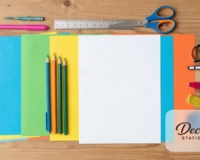
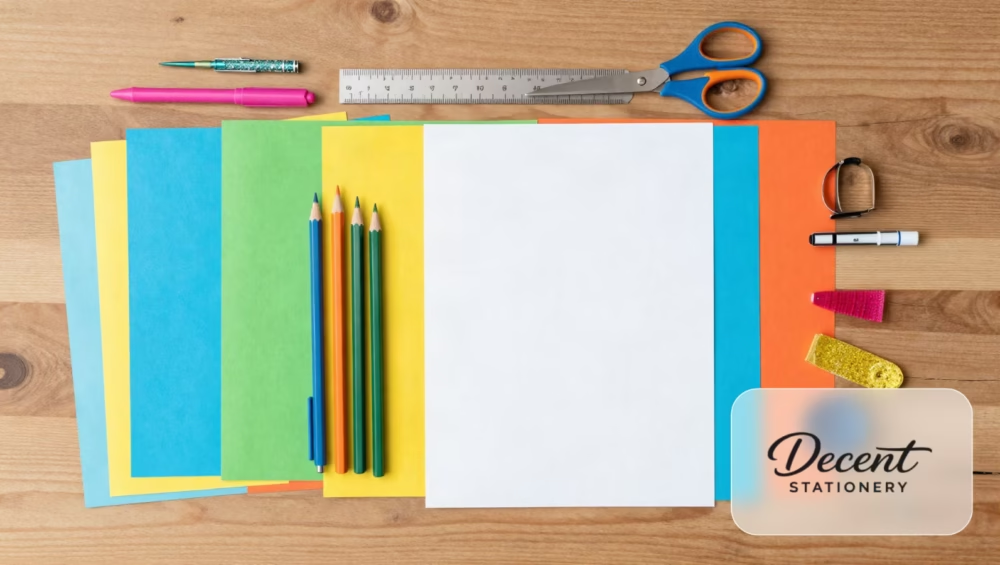
A basic chart paper decoration project for school needs very little equipment. Most teachers and students already have these on hand, or can find them at a local stationery shop:
- Chart paper (white, soft, or hard, depending on how much handling the chart will get)
- Sketch pens or markers in at least four colors
- A pencil and eraser for planning the layout before adding color
- Scissors and glue stick for any cut-paper elements
- A ruler for straight borders and evenly spaced sections
For charts that will stay up for months, such as a birthday chart or a classroom rules chart, hard chart paper holds up better than soft chart paper, which tends to tear at the folds. You can browse chart paper options at our shop chart paper online. For projects that pair well with chart displays, see our binding transparent sheet collection and blackboard and chalk collection.
Step-by-Step: How to Decorate a Chart Paper for School
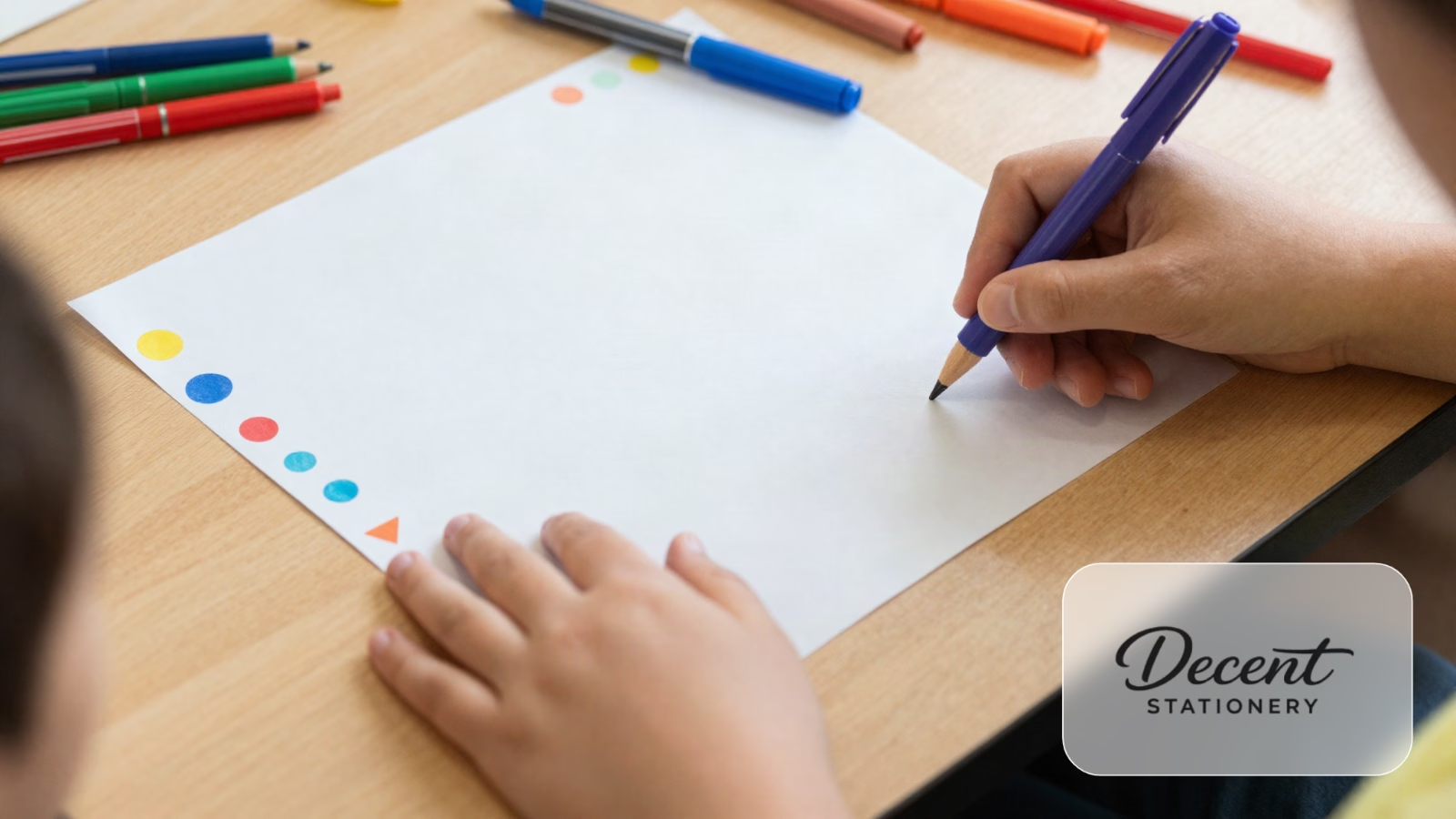
1. Choose the Right Chart Paper for the Job
Not all chart paper is the same. Soft chart paper is thinner and easier to fold or roll, which makes it a good fit for temporary displays or take-home projects. Hard chart paper is thicker and stands up to being pinned to a board for an entire term. If the chart will be handled by younger children, hard chart paper resists tearing better.
2. Plan the Layout in Pencil First
Before picking up a marker, sketch the layout in pencil. Mark where the title will go, where the main content sits, and where any images or cut-outs will be placed. This single step prevents the uneven spacing that makes many classroom charts look cluttered, and it is the step most students skip.
3. Start With the Border
A clean border gives the whole chart structure. Use a ruler to keep it straight, and pick one or two colors rather than a rainbow of them. A simple scalloped or zigzag border cut from colored paper and glued along the edge works well for younger grades.
4. Add the Title and Section Headings First
Write or cut out the title before filling in the body content. This keeps the title centered and properly sized, since you are working with an empty chart rather than fitting text around existing drawings.
5. Fill In Content With Contrast in Mind
Whatever the chart is for, whether a birthday board, a grammar chart, or a science diagram, keep text dark enough to read from a few feet away. Light yellow or pale pink text on white chart paper looks decorative up close but disappears from the back of a classroom.
6. Finish With a Few Purposeful Accents
Save the decorative elements, such as cut-paper flowers, stickers, or drawn characters, for last, and use them to support the content rather than crowd it. A birthday chart benefits from a cupcake or balloon motif tied to each month. A grammar chart usually works better with clean columns and minimal decoration around the edges.
Chart Paper Decoration Ideas by Purpose
| Chart Type | Best Chart Paper | Decoration Approach |
|---|---|---|
| Birthday month chart | Hard chart paper | One motif per month, student photos if available |
| Subject or grammar chart | White or soft chart paper | Clear columns, minimal decoration, large legible text |
| Science or nature chart | Hard chart paper | Labeled diagrams, real or printed reference images |
| Competition or exhibition chart | Hard chart paper | Bold border, strong central visual, short text blocks |
Common Mistakes to Avoid
The most frequent issue with student-made charts is overcrowding: too many colors, too many cut-outs, and text competing with decoration for attention. The second most common issue is starting without a plan, which usually results in the title being squeezed into a corner because the rest of the chart filled up first. Both problems are solved by the same fix: sketch the layout in pencil before adding any color.
Frequently Asked Questions
What is the best chart paper for school projects?
Hard chart paper works best for anything that will be displayed for more than a few weeks, since it resists tearing and holds its shape when pinned to a board. Soft chart paper is fine for short-term or take-home projects.
How do I make a chart paper look neat rather than cluttered?
Sketch the full layout in pencil first, limit the color palette to two or three main colors, and add decorative elements last, only where they support the content.
Can chart paper decoration actually help students learn?
Research reviewed by Edutopia suggests that displaying student-made work can increase a sense of ownership and improve retention, though displays work best when they reinforce a lesson rather than simply decorate the room.
How much of a classroom wall should be covered in charts?
Classroom design research generally recommends keeping 20 to 50 percent of wall space clear, since overly busy walls can distract younger students during lessons.
Where can I buy chart paper in Pakistan?
Chart paper in various sizes and finishes is available through our chart paper collection, along with markers, scissors, and glue for the rest of the project.
Conclusion
Chart paper decoration is a small task with a real effect on how a classroom feels and how well students engage with what is on the walls. The projects that work best are planned before they are decorated, use color and cut-outs to support the content rather than compete with it, and leave enough clear wall space for the display to actually get noticed. Whether it is a monthly birthday board or a science diagram for a competition, starting with the right chart paper and a pencil sketch will save more time than it costs. Sources: Edutopia, “Dos and Don’ts of Classroom Decorations” (citing Barrett et al., 2015); Fisher, A.V., Godwin, K.E., and Seltman, H., “Visual Environment, Attention Allocation, and Learning in Young Children.”