A warm lunch is a treat at school or at work, but food that sits for hours in a bag can turn cold or unsafe. This guide shows how to keep food warm in a lunch box using steps based on food safety guidance from the US Department of Agriculture (USDA). The same ideas apply to rice, curries, daal and soups. Decent Stationery in Lahore lists lunch boxes in Pakistan, including insulated and stainless steel options.
Key Takeaways
- Warm the container first by filling it with boiling water, then empty it before packing.
- Heat the food until it is steaming hot and pack it straight away in a closed container.
- Keep the lunch closed until it is time to eat, and do not leave perishable food out for more than 2 hours.
Why temperature matters
The USDA explains that perishable food can be left out at room temperature for no more than 2 hours, and that foodborne illness can multiply rapidly at temperatures between 40°F and 140°F (about 4°C to 60°C). In plain words, a lunch that is warm but not hot sits in a risky range. In a hot Lahore summer, a lunch bag can heat up quickly, so a hot lunch needs to stay properly hot or be eaten sooner. The USDA page does not give a separate shorter limit for hot weather, so treat 2 hours as the most you should allow.
How to keep food warm in a lunch box, step by step
- Preheat the container. Fill an insulated food jar or container with boiling water, close it and let it stand while you heat your food. Empty it just before you pack. The USDA recommends this for a hot lunch.
- Heat the food until it is steaming hot. The USDA says to heat food to at least 165°F (about 74°C) before packing it. Use a food thermometer if you have one.
- Pack it straight away. Spoon the hot food into the preheated container and seal the lid tightly.
- Fill the container. Try to fill it rather than leave it half empty. This is common practical advice and not from the USDA page, so test it with your own container.
- Keep it closed. Do not open the container until lunch time. The USDA advises keeping the container closed until lunchtime so the food stays hot.
- Wrap it up. Place the container in an insulated lunch bag so the heat stays inside longer.
What to pack
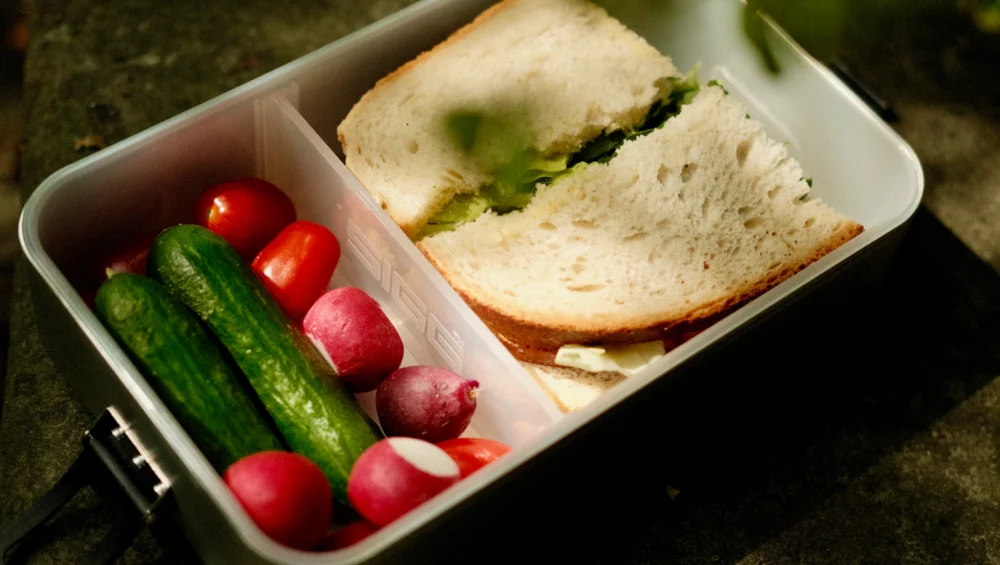
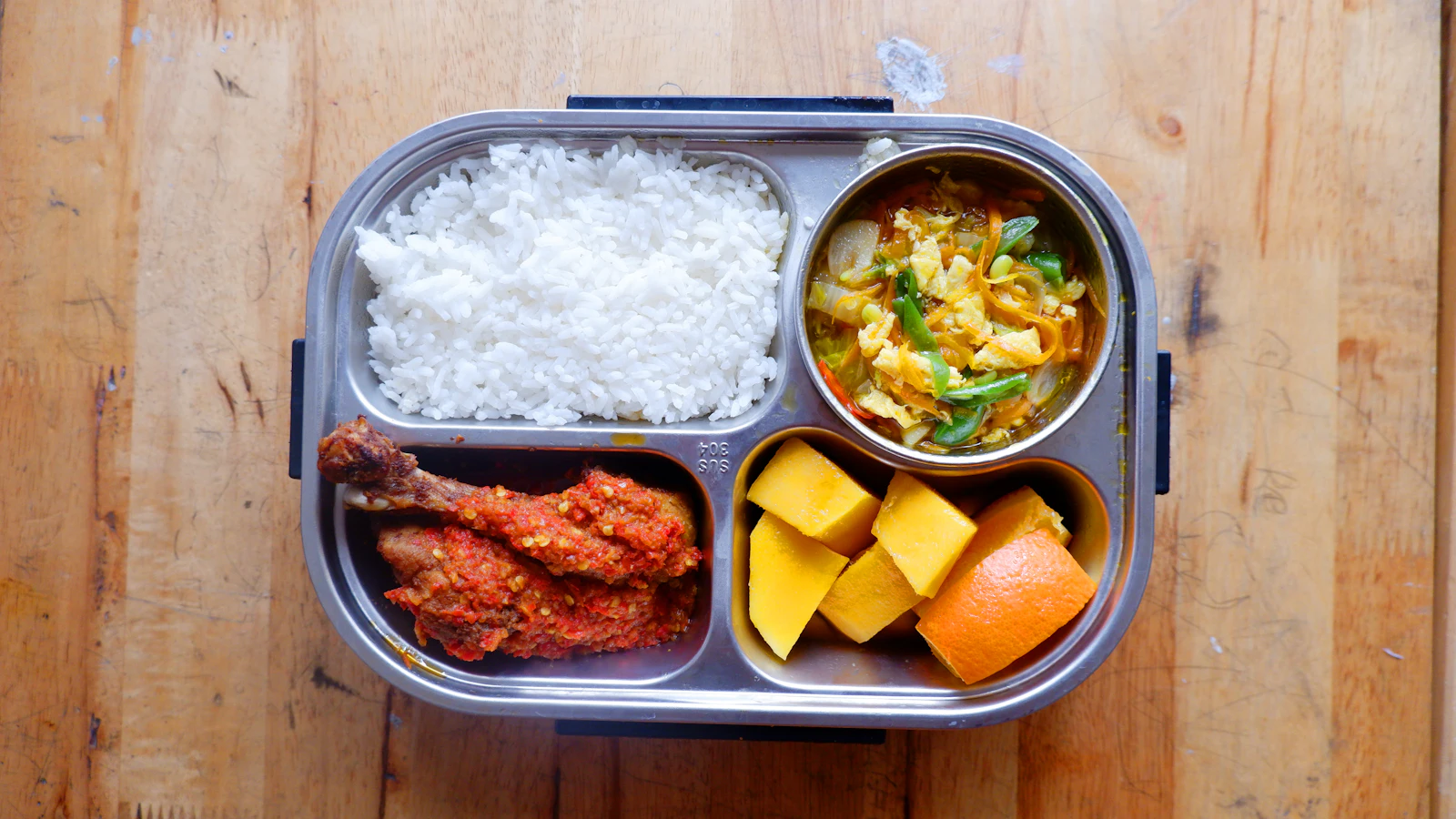
Soups, stews, curries, rice and noodles suit an insulated food jar. Dry foods such as sandwiches and rolls are not meant to be kept hot, so pack them with a cold source instead. If you pack a mix of hot and cold foods, use separate containers.
Choosing the right lunch box
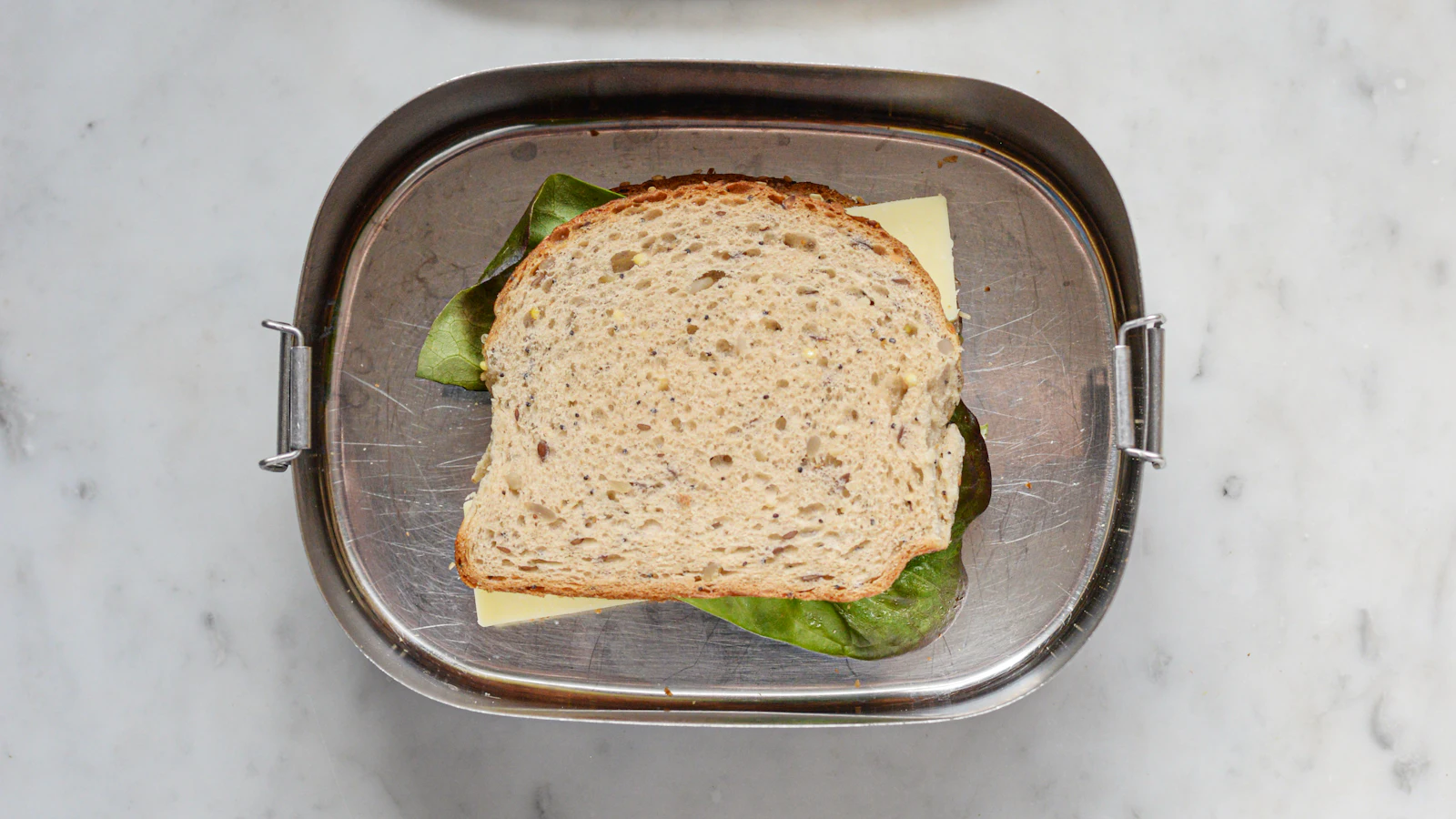
Some lunch boxes are insulated and some are plain. An insulated box slows the movement of heat in and out. A stainless steel box is durable and easy to clean. A lunch box bag adds a layer of cover. At Decent Stationery you can see an insulated lunch box, a stainless steel lunch box and a lunch box bag. Browse the full lunch box collection to compare styles. Read each product page to see whether a box is insulated or not, because the name alone may not tell you.
For a hot drink or soup, a hot and cold water bottle is another option. Check the description and the care label before you pour in hot liquid.
Care and cleaning
Wash the lunch box and the lid after each use and let them dry fully before closing. If the box begins to smell, wash it with warm soapy water and air it out. For bottles and flasks, see our guide on how to clean a stainless steel water bottle. Need meal ideas? Read our children’s lunch box ideas.
Foods that stay warm best
Some foods hold heat better than others. As a general rule, foods that are thick or packed together lose heat more slowly than thin or spread-out ones.
- Good choices: rice dishes, pulao, biryani, curries with gravy, daal, noodles in sauce and stews.
- Less ideal choices: fried snacks that turn soft when they trap steam, such as pakoras or crispy rolls.
- Keep separate: items that should stay crisp, like salad or chips, in their own container.
If you are packing roti or paratha, wrap it in a clean cloth or foil so that it does not dry out.
A morning routine for a warm lunch
A few minutes in the morning make the difference.
- Fill the lunch box with boiling water and let it stand while you heat the food, then pour the water out.
- Heat the food until it is hot all the way through, not just on the surface.
- Fill the container as full as you can, since empty space lets heat escape.
- Close the lid tightly and check the seal.
- Put the box in an insulated bag or a lunch box bag if you have one.
- Keep the bag away from sunlight and from cold items.
Mistakes that make food cold faster
- Packing food that has already cooled down
- Using a lid that does not close fully
- Opening the lunch box many times before the meal
- Leaving the box in a hot or cold place for a long time
- Using a container that is much larger than the portion
- Putting cold items, like a frozen juice, inside the same bag
Warm lunch ideas for school and office
- Rice with chicken curry
- Vegetable pulao with raita in a separate small box
- Daal chawal
- Noodles with vegetables
- A soft egg paratha roll wrapped in foil
- Soup in a thermal container
These ideas work for both students and office workers. Choose what your family usually eats, and test how it feels at lunchtime before packing it for a school trip.
A note on safety for children
Hot food in a small container can be hard for a child to open. Check that the lid is easy to open and close. Teach children to open the lid away from their face, since steam can be hot. Wash the lunch box and lid daily so there is no smell or leftover food.
Frequently Asked Questions
That depends on the box, the food and the weather, so there is no single answer. The USDA says perishable food can be left at room temperature for no more than 2 hours.
Preheat an insulated container with boiling water, heat the rice until steaming hot, pack it at once and keep the lid closed.
The USDA says to heat food to at least 165°F, which is about 74°C.
A plain box loses heat quickly. For a hot lunch, an insulated container is a better choice.
An insulated bag helps hold the heat for longer. It is a useful add-on to an insulated box.
Decent Stationery lists lunch boxes online from Lahore. Check each product page for the material, size and current price.
Conclusion
A hot lunch takes a few extra minutes in the morning. Preheat the container, pack the food while it is steaming and keep the lid closed until lunch.
Related Reading
Sources and Further Reading
- USDA blog post on using an insulated lunch bag to keep meals safe
- Product details come from the Decent Stationery product pages.
About the Author
Written by the Decent Stationery team in Lahore. We sell school, office and art stationery online across Pakistan, including lunch boxes and water bottles. The food safety points come from the USDA page listed above, and product details come from our own product pages.