You do not need years of practice to start with acrylics. These acrylic painting ideas use simple shapes, a few colors and basic brushes, so a beginner can finish a project in an evening. Whether you are a student, a parent helping with an art class or someone who wants a new hobby, pick one idea below and try it. Decent Stationery in Lahore stocks acrylic paints in Pakistan along with canvas and brushes.
Key Takeaways
- Start with simple subjects: a sunset sky, flowers, dots or stripes.
- Work with three to five colors and let each layer dry before the next.
- Use a canvas pad or card for practice, then move to a larger canvas.
What you need to start
- Acrylic paints in a small set of colors
- An acrylic pad or canvas to paint on
- Two or three brushes in different sizes
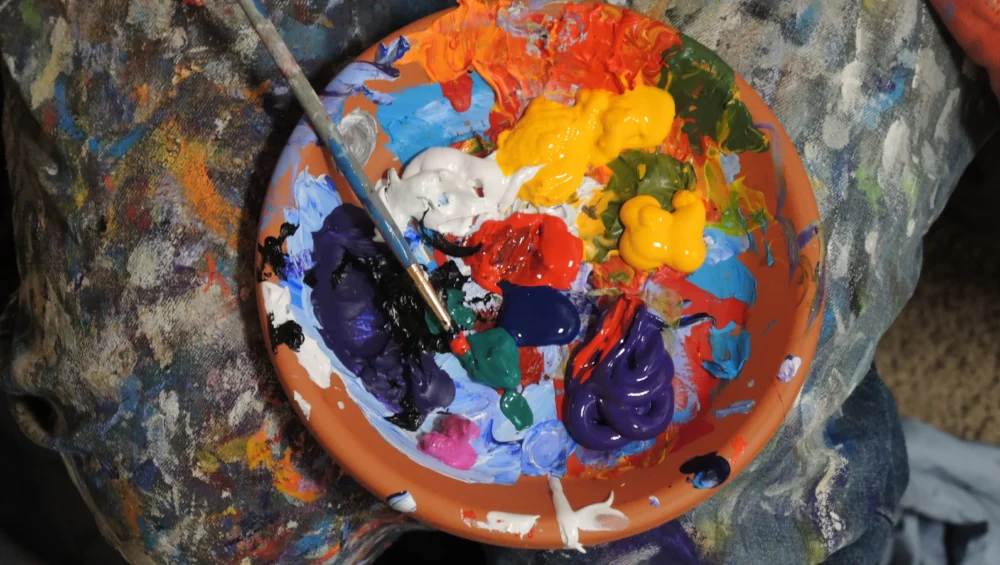
- A cup of water, a paper towel and a plate for mixing
- An apron or old clothes
A quick word about acrylic paint
According to Wikipedia, acrylic paint is made of pigment held in an acrylic polymer emulsion. It is water-based and becomes water-resistant once it dries. Wikipedia says it dries fairly quickly, in roughly 10 to 20 minutes, and can be used on paper, canvas, wood, metal, fabric and ceramics. That quick drying is helpful for layering, but it also means you should keep your palette covered and your brushes wet while you work.
If you are new to the paint itself, our guide on how to use acrylic paint covers the basics.
10 acrylic painting ideas for beginners
- Sunset sky: paint bands of yellow, orange, pink and purple across the canvas and blend where they meet. Add a black hill or tree line at the bottom.
- Simple flowers: make round petals with the end of a thick brush or a cotton bud, then add a green stem and a yellow center.
- Dot art: dip the end of a pencil or brush handle in paint and press dots in a pattern. Mix sizes and colors for a bright design.
- Striped pattern: stick strips of masking or washi tape on the canvas, paint over them, let the paint dry and peel the tape off for clean lines.
- Starry night sky: paint the background dark blue or black, then flick white and yellow dots with a toothbrush or a fine brush.
- Rainbow: paint curved bands in order of the colors and finish with white clouds at each end.
- Leaf silhouette: paint a bright background, let it dry, then paint dark leaf shapes on top.
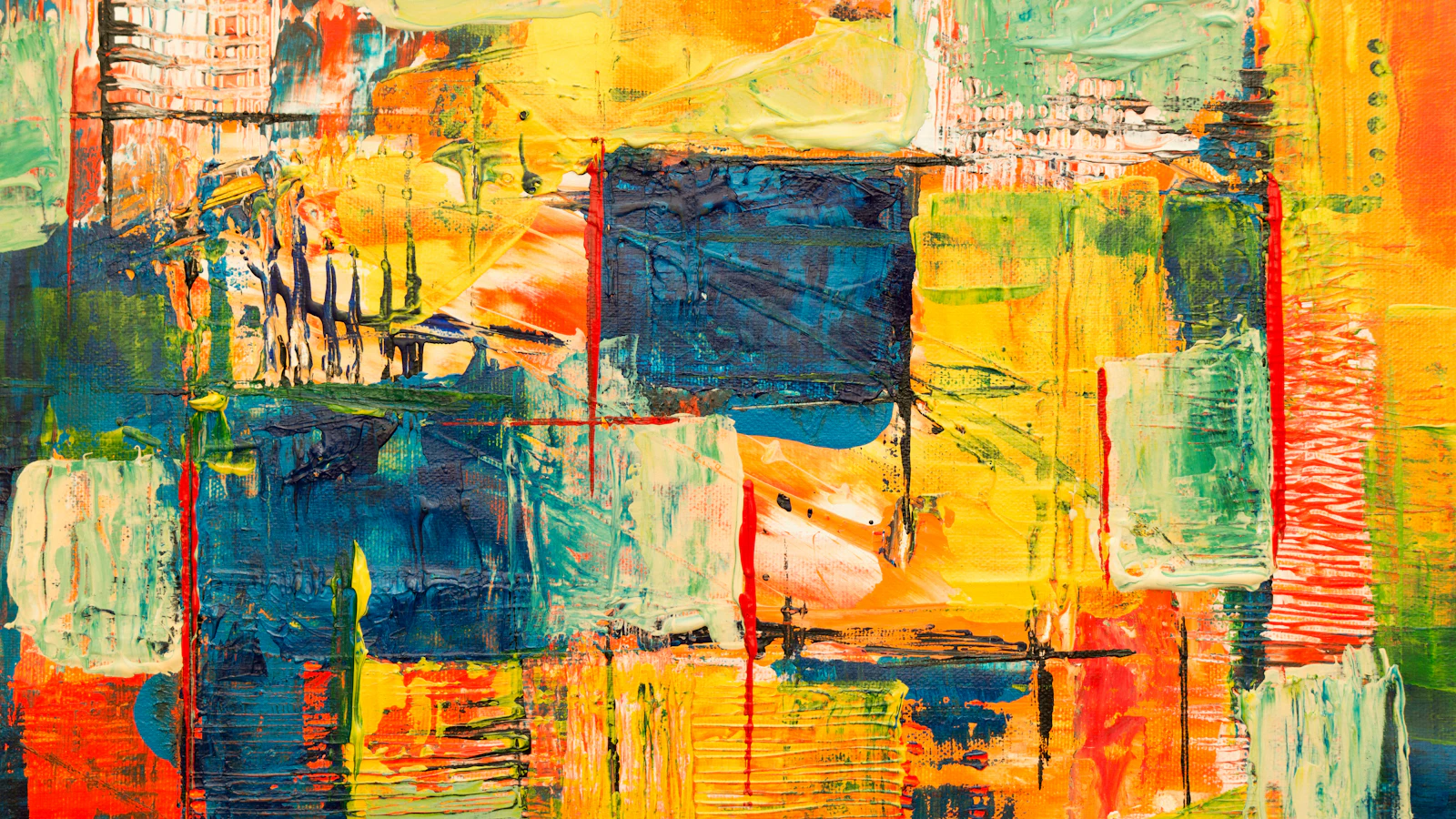
- Abstract color blocks: paint squares and rectangles in colors that go well together. There is no wrong answer here, which makes it a relaxed first project.
- Name or word art: write a short word in big letters and decorate around it with patterns.
- Mini canvas gift: paint a small canvas with a flower or a landscape and give it to a friend.
Tips to get better results
- Squeeze out only a small amount of paint. It dries fast.
- Paint the background first and add details last.
- Wait until a layer is dry before adding another over it.
- Clean your brushes with water before the paint dries on them.
- Practice on paper or a pad before you commit to a larger canvas.
- Step back from your painting every few minutes. Mistakes are easier to spot from a distance.
Acrylic or oil: which should a beginner pick?
Most beginners start with acrylics because they dry quickly, clean up with water and cost less than oil colors. Our comparison of acrylic vs oil paint explains the differences so you can choose.
Where to buy acrylic paints in Pakistan
Decent Stationery lists a range of acrylic paints, canvases and art accessories. You can buy acrylic paint online in Lahore or from anywhere in Pakistan. Browse the acrylic paints collection and the acrylic pad collection. If you like to outline your painting, acrylic markers are available as well. Check each product page for set size, colors and the current price.
Common beginner mistakes with acrylic paint
Everyone makes these mistakes at the start. Knowing them in advance saves paint, paper and patience.
- Squeezing out too much paint. Acrylic dries quickly, so a big pile on the palette hardens before you use it. Start with a small amount and add more as you go.
- Leaving the brush to dry. Dried acrylic is very hard to remove from bristles. Keep a jar of water beside you and rinse the brush between colors.
- Painting thick layers too early. Let the first layer dry, then build up. Thick wet paint can crack or crawl.
- Mixing too many colors. Muddy browns appear when three or four colors are mixed together. Keep mixes to two colors plus white.
- Using paper that is too thin. Thin paper can buckle when it gets wet. Use thicker paper or an acrylic pad.
- Skipping the sketch. A light pencil outline helps you place the shapes before the paint goes on.
A simple practice routine for the first week
You do not need a long session every day. Fifteen to twenty minutes is enough to build confidence.
- Day 1: paint flat blocks of color and practice clean edges with a flat brush.
- Day 2: mix two colors and make a small color chart with the results.
- Day 3: paint a simple sky using a darker color at the top and a lighter one near the horizon.
- Day 4: add a silhouette, such as trees or a hill, on top of a dry background.
- Day 5: try dots, lines and strokes with the handle end of a brush.
- Day 6: repaint your favorite idea from this list, using what you learned.
- Day 7: frame or display your best piece and note what you want to improve.
Cleaning up and storing your supplies
Good habits make acrylic painting more pleasant. Wash brushes with water and a little soap as soon as you finish. Reshape the bristles with your fingers and let the brushes dry lying flat or with the bristles up. Close paint tubes tightly and wipe the threads of the cap. Cover your table with newspaper before you begin, and wear old clothes. If paint lands on fabric, act quickly and rinse it with water before it dries, since dried acrylic is much harder to remove.
Where to display your finished paintings
A small painting looks better when it is displayed with care. Lean it on a shelf, tape a small canvas to a wall or put several small pieces in a row to make a mini gallery. Sign the corner with your initials and the date. After a few months, you will be able to see how much your painting has improved, and that is a great motivation to continue.
Frequently Asked Questions
A sunset sky, simple flowers or a pattern of dots. These use basic shapes and few colors.
Three to five colors are enough for most beginner projects, plus white to lighten shades.
Wikipedia says acrylic paint dries in roughly 10 to 20 minutes. Thick layers take longer.
Wikipedia lists paper, canvas, wood, metal, fabric and ceramics. For students, an acrylic pad or canvas is a simple place to start.
Yes. Rinse brushes with water before the paint dries, since dry acrylic is hard to remove.
Decent Stationery sells acrylic paints online from Lahore. Check the product page for set contents and the current price.
Conclusion
Pick one idea, set out your paints and begin. The first painting is rarely perfect, but each one teaches you something new.
Related Reading
Sources and Further Reading
About the Author
Written by the Decent Stationery team in Lahore. We sell school, office and art stationery online across Pakistan, including acrylic paints, canvas pads and brushes. The paint facts come from the linked source, the project ideas are general craft suggestions, and product details come from our own product pages.