To clean a white board, erase the writing with a clean dry eraser or microfiber cloth, then wipe the surface with a cloth dampened with water or a cleaner made for whiteboards, and dry it with a second clean cloth. For stubborn marks, use a little isopropyl alcohol on a soft cloth. This guide from Decent Stationery explains each step and the mistakes to avoid.
Key Takeaways
- Let marker ink dry before erasing, and erase after each use.
- Polyvision gives a mix of isopropyl alcohol and water at 30 to 70 for a thorough clean.
- Permanent marker comes off when you write over it with a dry erase marker and then erase.
- Avoid abrasive pads, scouring powders and waxy or oily cleaners.
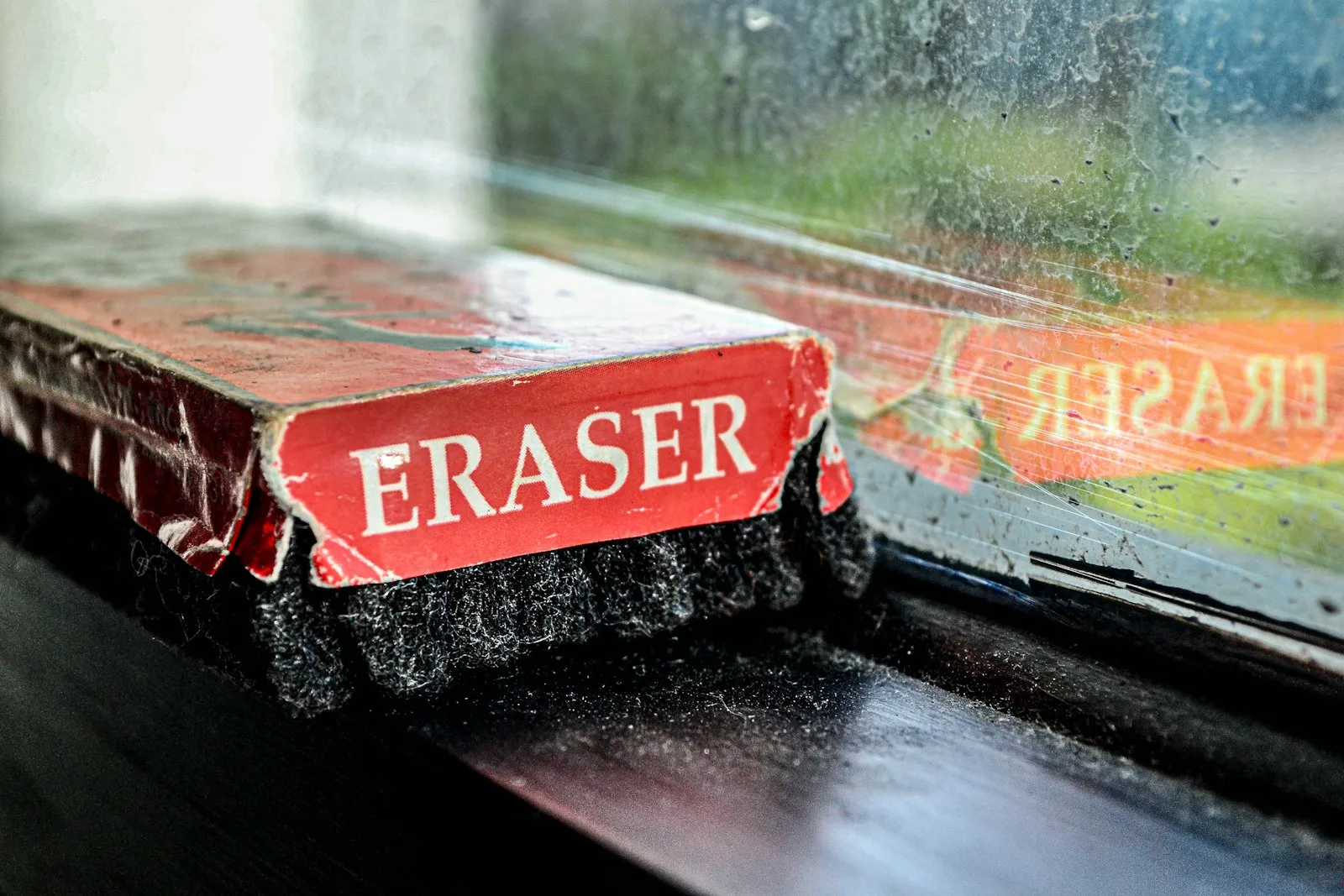
- Dirty erasers spread old ink, so clean or replace them too.
What You Need to Clean a White Board
Short answer: a clean eraser, two soft microfiber cloths, water, and a whiteboard cleaner or isopropyl alcohol for tougher marks.
Quartet, a maker of dry erase boards, suggests a simple kit of a whiteboard eraser, a dry erase board cleaner and two dry towels. Polyvision and Smith System both recommend microfiber cloths. Keep a small bottle of isopropyl alcohol for ghosting and for marks that water will not lift. A fresh white board duster is a good starting point if your eraser is old or worn, and our school duster collection has more choice.
How to Clean a White Board Step by Step
Short answer: erase, apply cleaner, wipe, then dry.
- Let the ink dry. Ghent warns against erasing dry erase marker while the ink is still wet, because it smears. Smith System also says markers should dry completely before erasing.
- Erase all the writing. Use a clean board eraser or a soft dry cloth. Polyvision says this removes most residue.
- Apply the cleaner. Spray a whiteboard cleaner on the board, as Quartet advises, or wipe with a microfiber cloth dampened with water. For a thorough clean, Polyvision gives a mix of isopropyl alcohol and water at 30 to 70.
- Wipe it off. Quartet says to wipe the cleaner off with one dry towel.
- Dry the board. Finish with a second clean towel so that no moisture or film remains. Polyvision also says to dry with a separate clean cloth.
Move the cloth in straight strokes or small circles, whichever suits your board. Ghent notes that a circular motion can reduce visible streaks on polished glass boards.

How Often Should You Clean a White Board?
Short answer: erase after every use and give the board a proper clean once a week if it is used daily.
The makers do not agree on one schedule, so the right rhythm depends on use. The table below sets out what each source says.
| Source | What it recommends |
|---|---|
| HON | Erase thoroughly after every use and clean weekly with marker board cleaner |
| Polyvision | Clean the writing surface daily or at least weekly, depending on use |
| Smith System | Clean and maintain the surface monthly under moderate use |
| Quartet | Erase ink when you finish, since long-standing ink raises the chance of stains |
For a classroom or office board that is written on every day, weekly cleaning is the safe choice. Smith System gives a monthly clean for moderate use, as long as you erase the writing each time.
How to Remove Ghosting From a White Board
Short answer: clean the board and the eraser, then wipe with a little isopropyl alcohol on a soft cloth.
Ghosting is the faint image that stays after erasing. Ghent lists six causes: marker residue building up, writing left on the board for long periods, dirty or worn erasers, oils from hands, unsuitable cleaning products, and damage to the dry erase finish. HON also connects ghosting with ink left on the board for an extended period.
To remove it, Polyvision suggests a soft cloth and a markerboard cleaner. For stubborn marks, use a small amount of isopropyl alcohol on a clean cloth, wipe with a clean damp cloth, and dry completely. Smith System advises letting the board dry overnight after treating heavy ghosting. If ghosting returns after a thorough clean, Ghent says the surface may be worn or damaged.
How to Remove Permanent Marker From a White Board
Short answer: write over the permanent marker with a dry erase marker, then erase both.
Ghent explains that the solvent in dry erase ink can loosen permanent ink on some non-porous surfaces. Smith System gives these steps:
- Draw over the permanent marker with a black dry erase marker.
- Wait a few minutes, then erase with a whiteboard eraser.
- Clean the board with a mild cleaning solution such as dish soap and water.
Polyvision adds that you should not scrape the surface. If a mark remains, use a markerboard cleaner or a little isopropyl alcohol on a soft cloth, wiping gently and repeating as needed.
What Should You Never Use to Clean a White Board?
Short answer: abrasives, waxy or oily products, and household cleaners that your board maker has not approved.
| Avoid | Why | Source |
|---|---|---|
| Abrasive pads and scouring powders | They can scratch the surface | Polyvision, Smith System |
| Wax-based cleaners and oily polishes | They leave a film that causes poor erasing | Polyvision, Ghent |
| Glass cleaner, Clorox wipes, all-purpose cleaners | They can damage some boards and void the warranty | Smith System |
| Bare hands | Skin oils leave residue | Ghent |
| Permanent markers | They are hard to remove and are not meant for marker boards | HON |
Soap can also cause trouble. Polyvision says soap residue leads to poor dry eraseability, so rinse thoroughly after using it. Ghent points out that glass cleaner, isopropyl alcohol and water each suit some surfaces but not others, so read your board’s care instructions first.
How Do Erasers and Markers Affect a Clean Board?
A dirty eraser undoes your cleaning. Quartet says dirty erasers can spread ink residue across the board, and advises replacing the eraser or washing a microfiber cloth once it starts to do so. Recapping markers also helps, since Quartet notes that fresh ink is easier to erase.
The marker matters as well. HON recommends Expo brand dry erase markers and warns against red and orange. Smith System advises against water-based low odor markers, because they dry more slowly, bond more tightly and can cause ghosting even with proper cleaning. Our guide to removing ink stains from clothes is worth keeping at hand if marker ends up on a sleeve.
A Practical Note for Classrooms and Home Study Corners
Keep the cleaning kit next to the board so that it gets used. A clean eraser, a spray bottle of cleaner and a microfiber cloth are enough. If you are choosing a new board, look at our white board in small, medium and large sizes or browse the full white board collection. Children who enjoy drawing on the board may also like colored pencils for paper work, and our chart paper decoration ideas for school suit classroom walls.
Frequently Asked Questions
Often yes. Polyvision says that in most cases water will clean a markerboard surface. Ghent adds that some boards need a dedicated cleaner, so check the care instructions that came with yours.
A microfiber cloth dampened with isopropyl alcohol and water at a ratio of 30 to 70 is the mix Polyvision gives. Smith System says to keep isopropyl alcohol to a maximum of 70 per cent and to avoid abrasive cloths.
A faint haze is usually ghosting. Ghent lists marker buildup, dirty erasers, hand oils and unsuitable cleaning products as causes. Clean the board and the eraser, then dry the surface fully.
Not without checking first. Smith System warns that glass cleaner, Clorox wipes and all-purpose cleaners can damage its boards and void the warranty. Ghent says glass cleaner suits only some surfaces.
Draw over it with a dry erase marker, wait a few minutes, then erase. Polyvision, Smith System and Ghent all give this method. Do not scrape the surface.
HON says red and orange markers make cleaning harder and raise the chance of ghosting. It also advises against permanent markers on a marker board.
Conclusion
A clean white board comes down to a few habits. Let the ink dry, erase after each use, clean on a regular schedule with water, a board cleaner or a 30 to 70 mix of isopropyl alcohol and water, and keep the eraser clean. Avoid abrasives and waxy products. Whenever you need boards, dusters or markers, visit Decent Stationery and read the care instructions for your board before trying a new cleaner.
Sources and Further Reading
- Polyvision: Cleaning and Care of Markerboard
- Smith System: Whiteboard Use
- Ghent: How to Clean a Whiteboard, A Complete Care and Maintenance Guide
- Quartet: Care and Maintenance of Dry Erase Boards
- HON: Marker Boards Product Care
About the Author
Written by the Decent Stationery team in Lahore. We sell school, office and art stationery online across Pakistan, including white boards and dusters. The cleaning advice in this guide comes from the board makers and suppliers linked above.