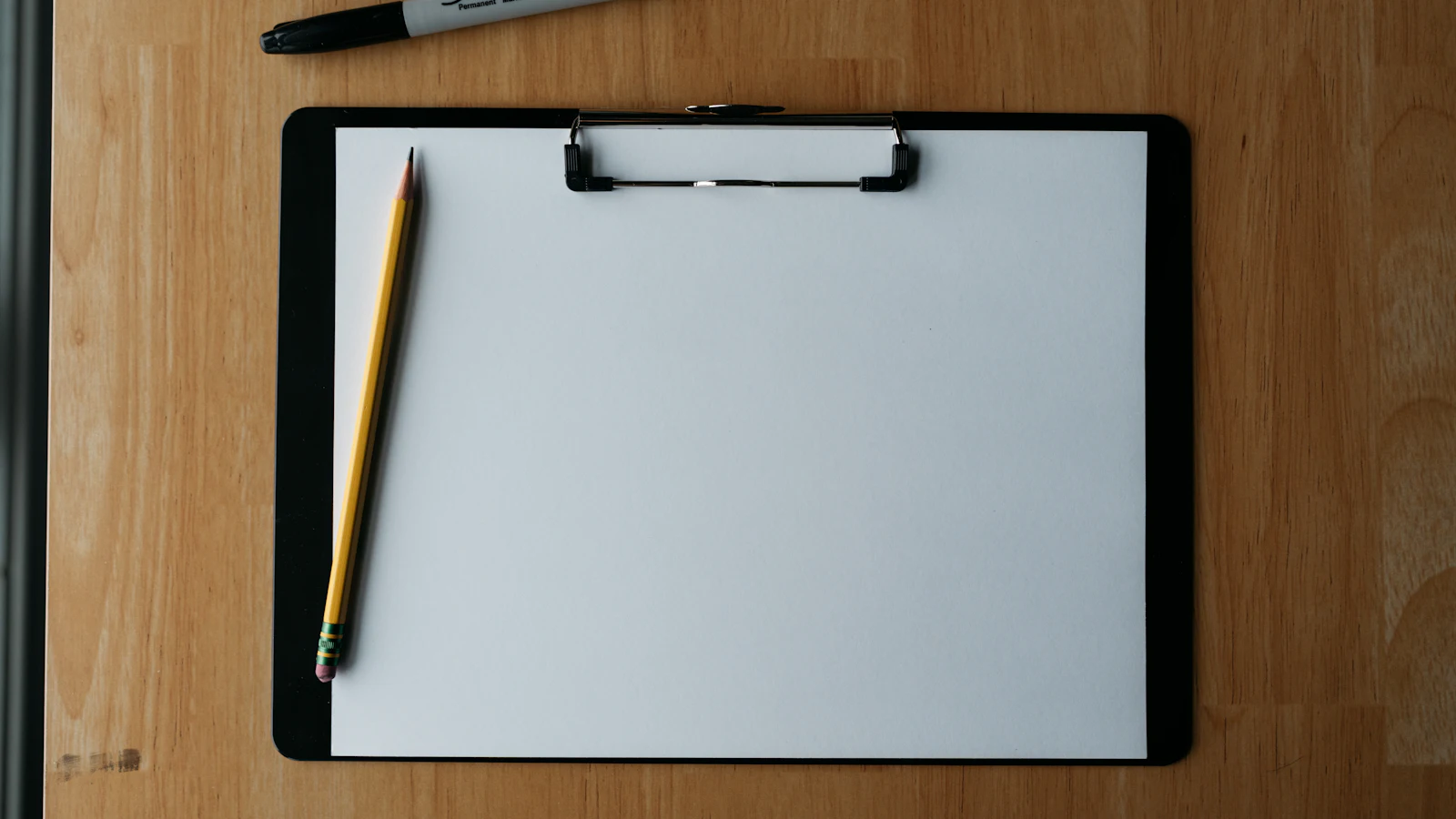
A homemade coloring book is a gift a child will actually use. It can hold their favorite animals, school subjects or a story you draw together. This guide shows how to make a coloring book at home with plain paper, a black marker and a few simple tools. If you would rather buy one, Decent Stationery in Lahore lists coloring books in Pakistan for different ages.
Key Takeaways
- Draw simple outlines with a thick black marker on plain paper.
- Stack the pages, add a cover and bind them with staples or thread.
- Give the child color pencils or crayons and let them fill in the shapes.
What you need
- 10 to 20 sheets of plain white paper or thin card
- A pencil and an eraser
- A black marker or pen for the outlines
- A thicker sheet of card or colored paper for the cover
- A stapler, or a needle and thread
- Color pencils or crayons for coloring
How to make a coloring book, step by step
- Plan the theme. Animals, fruits, vehicles, letters of the alphabet or school subjects all work well.
- Draw each picture lightly in pencil first. Keep shapes big and simple, with plenty of space inside to color.
- Trace over the pencil with a black marker. Thick, clear lines make coloring easier for young children.
- Let the ink dry, then erase the pencil marks.
- Leave a border around each page so the edges stay clean when you bind it.
- Stack the finished pages and put the cover on top.
- Fold the stack in half and staple along the fold, or punch holes and tie the pages with thread.
- Write a title on the cover, for example “Aisha’s Animal Coloring Book”.
If you do not enjoy drawing, you can print outlines from a computer, or trace simple pictures from a children’s book on thin paper.
Tips for better pages
- Draw on one side of the paper only so colors do not show through.
- Use a marker that does not bleed on the paper you choose. Test it on a spare sheet first.
- Keep the details large for young children and add smaller shapes for older ones.
- Add a pattern page, a maze or a dot-to-dot page for variety.
- Put a small blank space at the bottom of each page for the child to write the name of the picture.
Theme ideas for a homemade coloring book
- My school day: bag, books, pencils, a classroom and a playground.
- Animals of Pakistan: draw animals the child already knows.
- Alphabet book: one big letter and a picture for each page.
- Eid or Ramadan pages: lanterns, crescents and sweets.
- Family album: simple drawings of family members for the child to color.
- Birthday party: balloons, cakes and party hats.
Coloring tools that work well
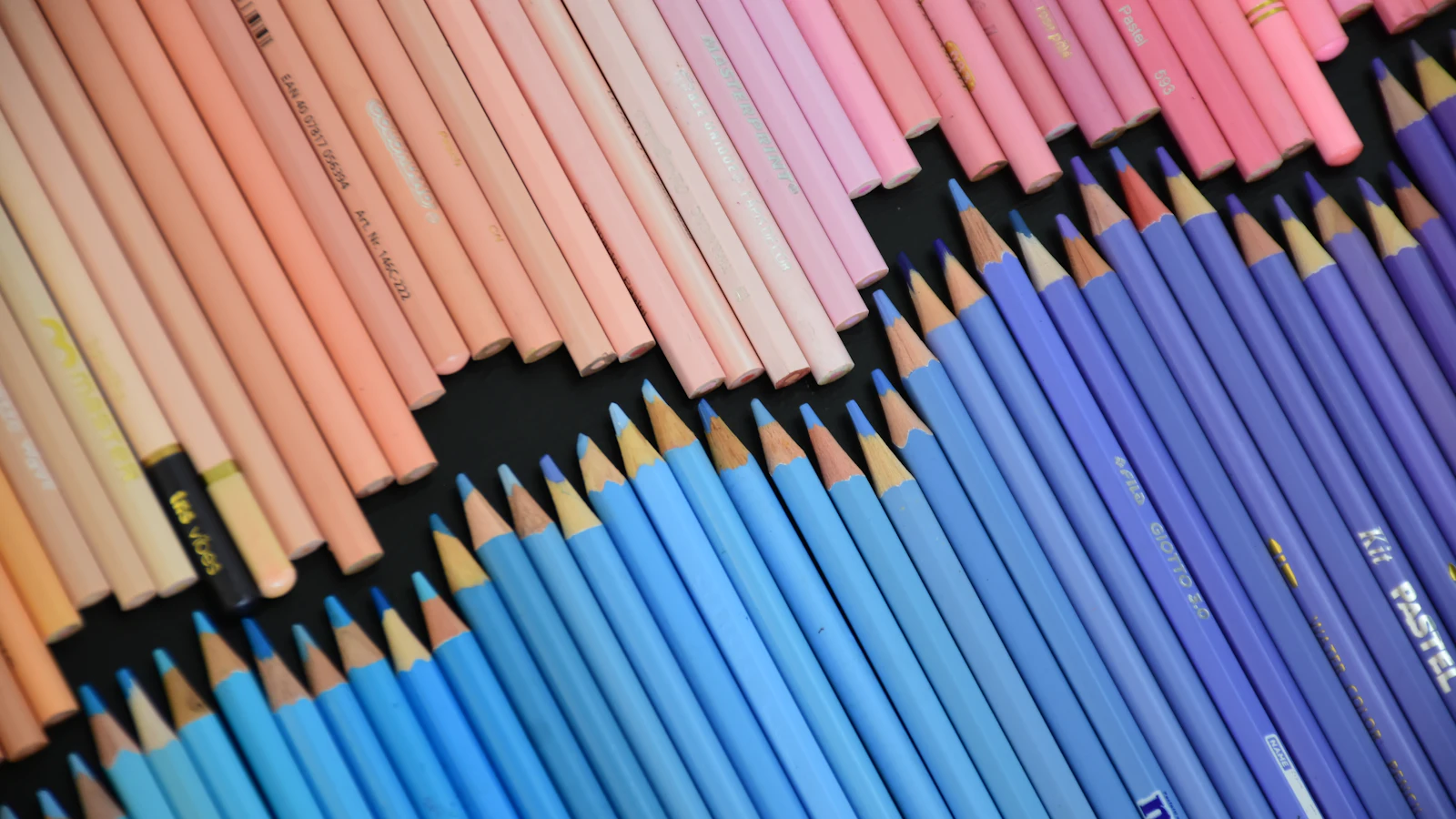
Color pencils give children control and are easy to carry to school. Our guide on how to shade with colored pencils shows how to blend colors once the child is ready. Washable markers cover large areas quickly, but they may show through thin paper, so use thicker paper or card if you plan to use markers.
When to buy a ready-made coloring book
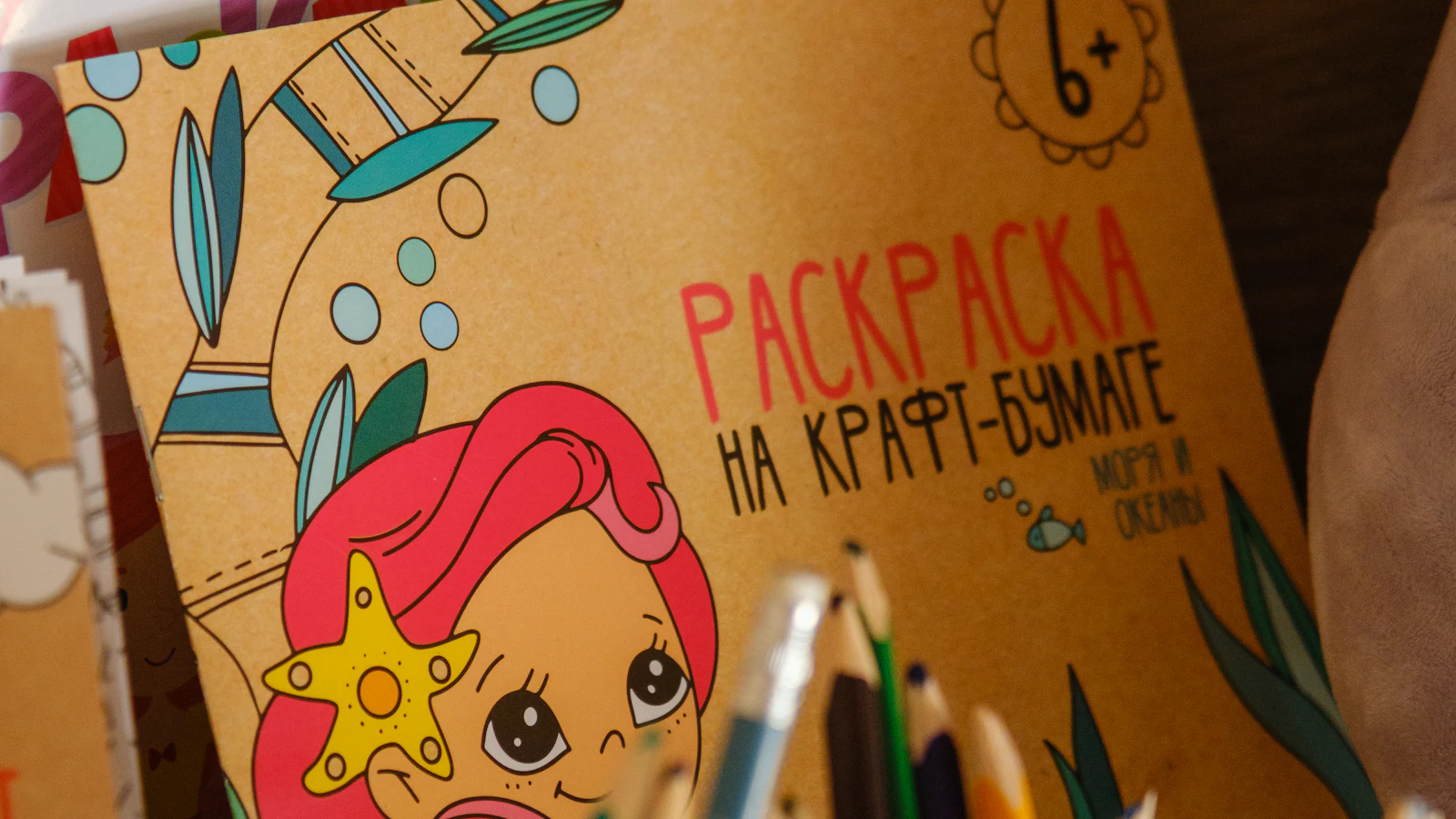
A homemade book is special, but a ready-made one saves time, especially for a class or a party. Decent Stationery lists a range of coloring books, including coloring books for kids and a magic coloring book. You can buy coloring books online in Lahore and across Pakistan. Check each product page for the number of pages, size and current price.
Making a coloring book for different ages
The same idea works for a toddler, a school child or an adult. What changes is the level of detail.
- Ages 2 to 4: draw large, simple shapes with thick outlines. A circle sun, a round fish or a big flower is plenty.
- Ages 5 to 7: add small details, such as scales on a fish or petals on a flower, and keep the spaces wide enough for crayons.
- Ages 8 to 12: try animals with patterns, buildings and scenes with a background.
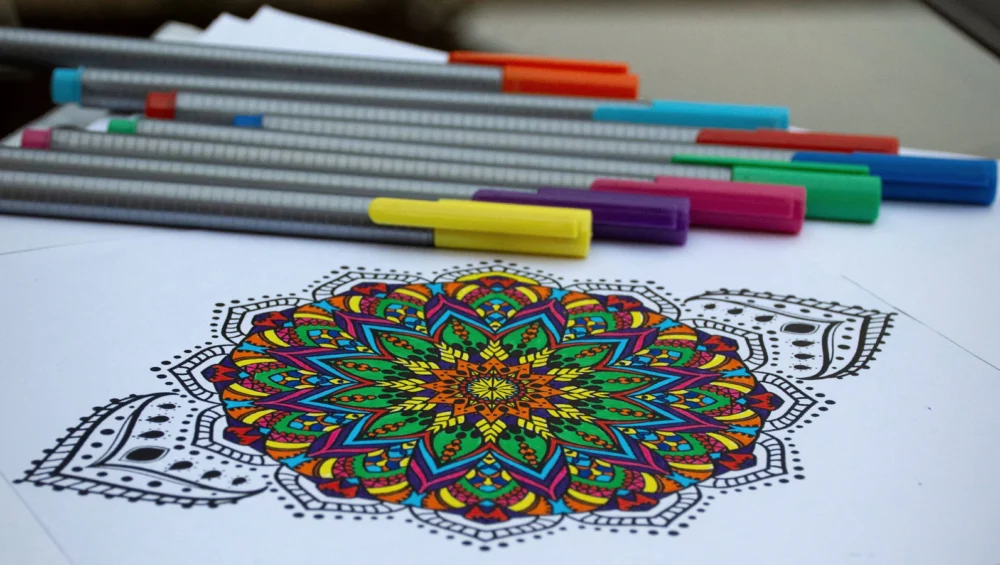
- Teens and adults: use fine lines and repeating patterns, such as mandala designs, for a calming activity.
If you are making the book for more than one child, include a few pages of each level so everybody finds something to enjoy.
Page layout and binding ideas
A good layout makes a homemade book feel real.
- Front cover: use thicker paper and write the title in large letters. Leave part of it uncolored so the child can decorate it.
- Inside pages: use one picture per page and keep a margin of about two fingers’ width around the edge. If you print the pages, do a test print first to check the margin.
- Back cover: add a small note or a dedication such as “This book belongs to…” with space for a name.
- Binding: staple the pages along the left edge, punch holes and tie them with ribbon or yarn, or use a clip for an easy-to-open book.
- Page order: start with easy pictures and place the more detailed ones near the end.
Activities to add between the coloring pages
A coloring book does not have to be only pictures. A few extra pages make it more fun and more useful.
- A “connect the dots” page with numbers
- A simple maze
- A “find the difference” page with two similar drawings
- A page to practice writing the child’s name
- A blank page for free drawing
- A short story page where the child draws what happens next
These pages are also helpful for teachers who want a quiet activity for a classroom or a long car journey.
Coloring book as a gift or a school project
A handmade coloring book makes a thoughtful gift. Fill it with pictures of the child’s favorite things, such as animals, vehicles or cartoons they like. In school, it can become a class project: every student draws one page, and the teacher puts them together into one big book. Each child then colors someone else’s page, which encourages sharing.
Keeping the coloring book in good shape
Store the book flat and keep it away from damp. Put a sheet of plain paper behind the page being colored so that marker ink does not show through on the next page. Use a hard board under the book if the child colors on the sofa or on the floor.
Frequently Asked Questions
Plain white paper works for pencils and crayons. For markers, use thicker paper or card so the color does not soak through.
Ten to twenty pages is a good start. You can add more later.
Fold the stack in half and staple along the fold. You can also punch holes and tie the pages with thread or ribbon.
Yes. Older children can draw their own outlines and swap books with friends. Younger children can draw while an adult helps with the binding.
Decent Stationery lists coloring books online from Lahore. Check each product page for age group, page count and the current price.
Conclusion
A coloring book you make yourself costs very little and is made just for the child you have in mind. Pick a theme, draw a few big shapes and bind the pages today.
Related Reading
Sources and Further Reading
- This is a hands-on craft guide based on our own practical steps. No outside source was used.
About the Author
Written by the Decent Stationery team in Lahore. We sell school, office and art stationery online across Pakistan, including color pencils, markers and coloring books. The craft steps are our own suggestions, and product details come from our own product pages.